Finding the right roof design in the Philippines can be a real headache. You want to let in natural light, but you don’t want your home to turn into an oven. That’s where the Good Morning roof design philippines comes in.
It’s a smart solution that tackles this exact issue. This guide will break down what a Good Morning roof is, why it’s perfect for our tropical climate, and the best materials to use. We’ll also cover key design tips.
By the end, you’ll know if this innovative roof is the right fit for your new build or renovation.
What Exactly Is a ‘Good Morning’ Roof?
A ‘Good Morning’ roof is a type of single-sloped (shed) roof with a very steep pitch, featuring a row of windows along the highest vertical wall. The name comes from the high, east-facing windows designed to capture the gentle morning sun, filling the home with natural light to start the day.
The key architectural components are the single, angled roof plane and the vertical clerestory wall that houses the windows. This design differentiates it from a standard shed roof, where the integrated windows are the defining feature that makes it a ‘Good Morning’ roof.
Good morning roof design philippines is growing in popularity for creating bright, airy, and energy-efficient living spaces.
If you’re considering this design, think about the orientation of your home. Make sure the clerestory wall faces east to maximize morning sunlight.
Pro tip: Use double-glazed windows to keep the space warm in winter and cool in summer.
Why This Roof Excels in the Philippine Climate
Good morning roof design philippines is a game-changer for homeowners. Let’s break down why.
First off, natural cooling and ventilation. The high windows act as vents. Hot, stale air rises and escapes, promoting continuous airflow.
This means less reliance on air conditioning, which is a big deal in the sweltering heat.
Next, abundant natural light. These designs let sunlight flood the home’s interior. This cuts down on electricity costs by reducing the need for artificial lighting.
It’s a win for both your wallet and the environment.
Now, superior rainwater management. The steep, continuous slope is perfect for heavy downpours. Water runs off quickly, minimizing the risk of leaks.
No more worrying about water damage during the rainy season.
Lastly, typhoon resilience. When built with proper materials and engineering, the simple, aerodynamic shape offers less resistance to strong winds. This makes it more durable compared to complex roof designs.
In short, this roof design tackles common homeowner concerns like high electricity bills, stuffy rooms, and water damage from typhoons. It’s a smart choice for anyone looking to improve their living conditions.
Choosing the Best Materials for a Typhoon-Ready Roof
Good morning roof design Philippines! Let’s dive into what you need to make your roof strong and durable. good morning roof design philippines
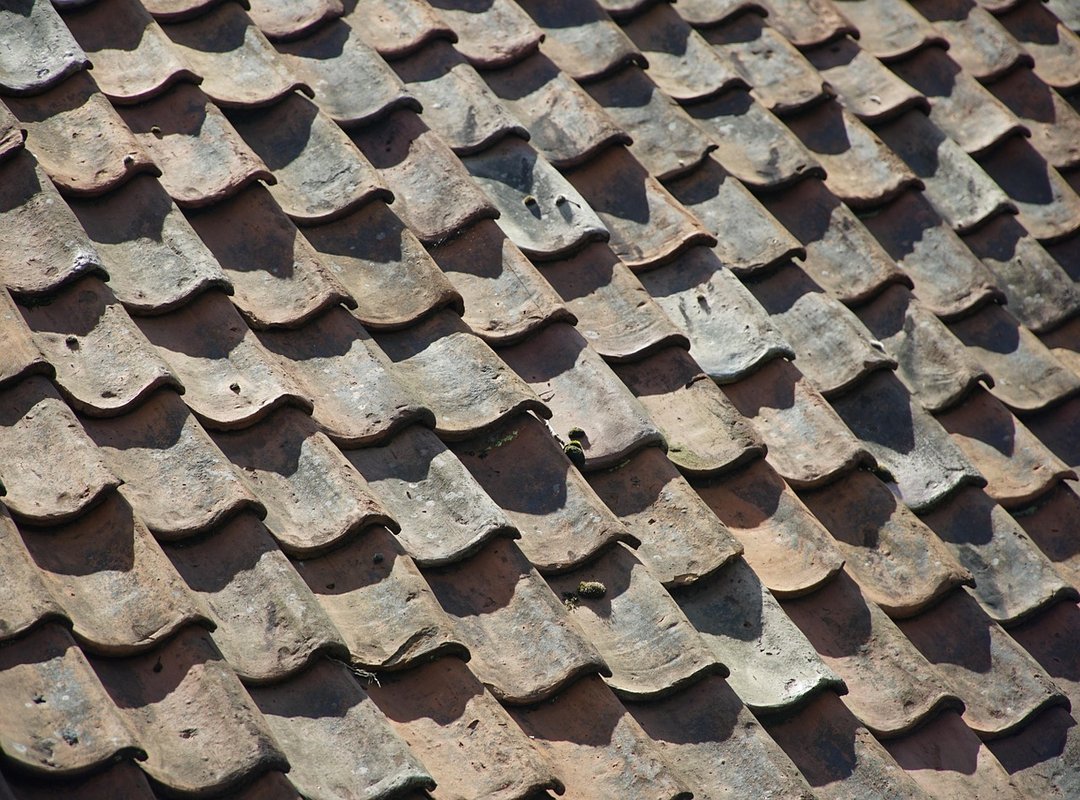
First up, roofing panels. I strongly recommend long-span pre-painted G.I. (galvanized iron) sheets or similar metal roofing.
Why? They’re super durable, wind-resistant, and have a seamless finish that prevents leaks.
Next, the structural frame. You’ve got two main options: light steel frames or treated wood. Steel is my go-to.
It resists termites and rot, which are big issues in our humid climate. Plus, it’s low maintenance.
Now, let’s talk windows. For clerestory windows, use tempered glass or durable polycarbonate. Set them in robust aluminum or steel frames.
This setup can withstand high wind pressure and impact, keeping your home safe.
Waterproofing is non-negotiable. Use high-quality elastomeric sealants and proper metal flashing around all window joints and roof edges. This creates a watertight seal, preventing water from seeping in during heavy rains.
Insulation is often overlooked but crucial. Add a layer of reflective foil or foam insulation under the metal roof sheets. This blocks radiant heat, keeping your interior significantly cooler during those hot afternoons.
By choosing these materials, you’ll have a roof that’s not just typhoon-ready but also energy-efficient and long-lasting.
Key Design Considerations Before You Build
When you’re planning a new build, proper orientation is crucial. The windowed side should ideally face east to catch the desirable morning sun while avoiding the harsh, heat-intensive glare of the afternoon sun from the west. This is especially important for a good morning roof design philippines.
Calculating the pitch of your roof is another big deal. The steepness of the roof’s angle affects both water runoff and the interior aesthetic. It’s best to consult an architect to determine the optimal pitch for your specific house design.
Interior layout integration is key too. A roof style like this works best over open-plan areas like living rooms, dining spaces, or kitchens. It maximizes the spread of light and the feeling of spaciousness.
Future maintenance is something you can’t ignore. Plan for how the high windows will be cleaned. Also, think about how sealants will be inspected periodically to ensure long-term performance.
Is This Bright Design the Right Choice for Your Home?
good morning roof design philippines offers exceptional natural light, passive cooling, and a modern aesthetic. These features are perfectly adapted to the challenges of the Philippine environment.
The success of this design hinges on two key factors: correct orientation to the sun and the use of durable, climate-appropriate materials.
Consider discussing this design with your architect or designer. It’s a smart and stylish option for your home.
A thoughtfully designed roof does more than just provide shelter—it improves your home’s comfort, efficiency, and overall quality of life.

 Rebecca McDanielords is the kind of writer who genuinely cannot publish something without checking it twice. Maybe three times. They came to diy home projects through years of hands-on work rather than theory, which means the things they writes about — DIY Home Projects, Gardening and Landscaping Ideas, Home Design Trends, among other areas — are things they has actually tested, questioned, and revised opinions on more than once.
That shows in the work. Rebecca's pieces tend to go a level deeper than most. Not in a way that becomes unreadable, but in a way that makes you realize you'd been missing something important. They has a habit of finding the detail that everybody else glosses over and making it the center of the story — which sounds simple, but takes a rare combination of curiosity and patience to pull off consistently. The writing never feels rushed. It feels like someone who sat with the subject long enough to actually understand it.
Outside of specific topics, what Rebecca cares about most is whether the reader walks away with something useful. Not impressed. Not entertained. Useful. That's a harder bar to clear than it sounds, and they clears it more often than not — which is why readers tend to remember Rebecca's articles long after they've forgotten the headline.
Rebecca McDanielords is the kind of writer who genuinely cannot publish something without checking it twice. Maybe three times. They came to diy home projects through years of hands-on work rather than theory, which means the things they writes about — DIY Home Projects, Gardening and Landscaping Ideas, Home Design Trends, among other areas — are things they has actually tested, questioned, and revised opinions on more than once.
That shows in the work. Rebecca's pieces tend to go a level deeper than most. Not in a way that becomes unreadable, but in a way that makes you realize you'd been missing something important. They has a habit of finding the detail that everybody else glosses over and making it the center of the story — which sounds simple, but takes a rare combination of curiosity and patience to pull off consistently. The writing never feels rushed. It feels like someone who sat with the subject long enough to actually understand it.
Outside of specific topics, what Rebecca cares about most is whether the reader walks away with something useful. Not impressed. Not entertained. Useful. That's a harder bar to clear than it sounds, and they clears it more often than not — which is why readers tend to remember Rebecca's articles long after they've forgotten the headline.