Start with the Right Spot
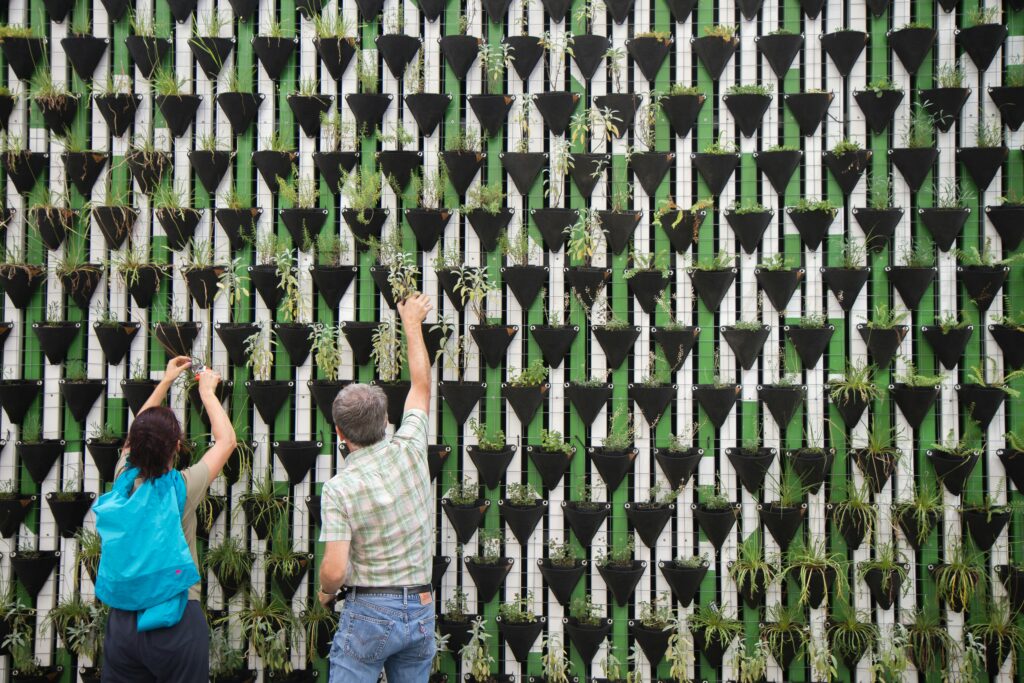
When you’re short on square footage, success in vertical gardening starts with clever placement. Understanding where and how to set up your garden can make all the difference.
Identify Your Vertical Spaces
Before buying a single plant or planter, take inventory of your available vertical surfaces. Look for:
Balcony or terrace walls: Great for mounted planters or trellises
Fence lines: Ideal for vertical grids or pocket gardens
Window grilles or railings: Perfect for compact hanging setups
Choose the Sunniest Real Estate
Light matters. Most edible and flowering plants need a decent dose of sunshine to thrive:
Target areas with at least 4 6 hours of direct sunlight daily
South or west facing walls are usually the best picks
Shade tolerant plants can work in lower light, but growth may slow
Use Purpose Built Supports
Setting up vertical structures doesn’t have to be complex or costly. Consider structure based solutions to simplify your setup:
Wall mounted planters with built in pockets or shelves
Hanging frames for flexibility and a modern aesthetic
Freestanding ladders or tiered shelving for multi level growing
Planning your location sets the foundation for a thriving vertical garden and a greener space without wasting square footage.
Choose Plants That Thrive Vertically
Not every plant is meant to climb or hang but plenty can, and they do it well. Herbs like mint, thyme, and basil are compact and perfect for shelf style planters. Vining vegetables such as cherry tomatoes, pole beans, and cucumbers thrive when given something to cling to. If green aesthetics are your goal, succulents like string of pearls and burro’s tail add texture without demanding much care. For a splash of color, flowering climbers like sweet peas and nasturtiums carry their own weight literally.
Always factor in your space’s light levels. South facing sun traps can handle heat loving veggies and florals. Lower light areas? Stick with shade tolerant herbs or vines like ivy. Matching the plant to your exact microclimate cuts down on headaches later.
And don’t overlook native species. They’re usually hardier, less thirsty, and better adapted to local pests. Less fuss and more resilience means more time enjoying your vertical garden and less time nursing plants back from the brink.
Go Modular and Scalable
If you’re working with limited room, think up not out. Stackable planters, floating shelves, and grid systems that mount directly to walls are your best friends. These modular setups are more than space savers they give you structure and flexibility as your garden grows.
Don’t buy new if you don’t have to. Look around: old crates, ladders, even rain gutters can become productive growing systems with a little creativity and some basic tools. Upcycling keeps costs low and adds a layer of character your garden won’t get from store bought plastic.
Make sure access stays simple. Plan layout with pruning and watering in mind. If you dread reaching a plant, you’ll skip it so give yourself room to work. A smart setup today avoids mess and maintenance headaches later.
Need a visual push? Check out this curated roundup of small space vertical gardens to get inspired and steal a few clever tricks.
Maximize Drainage and Watering Efficiency
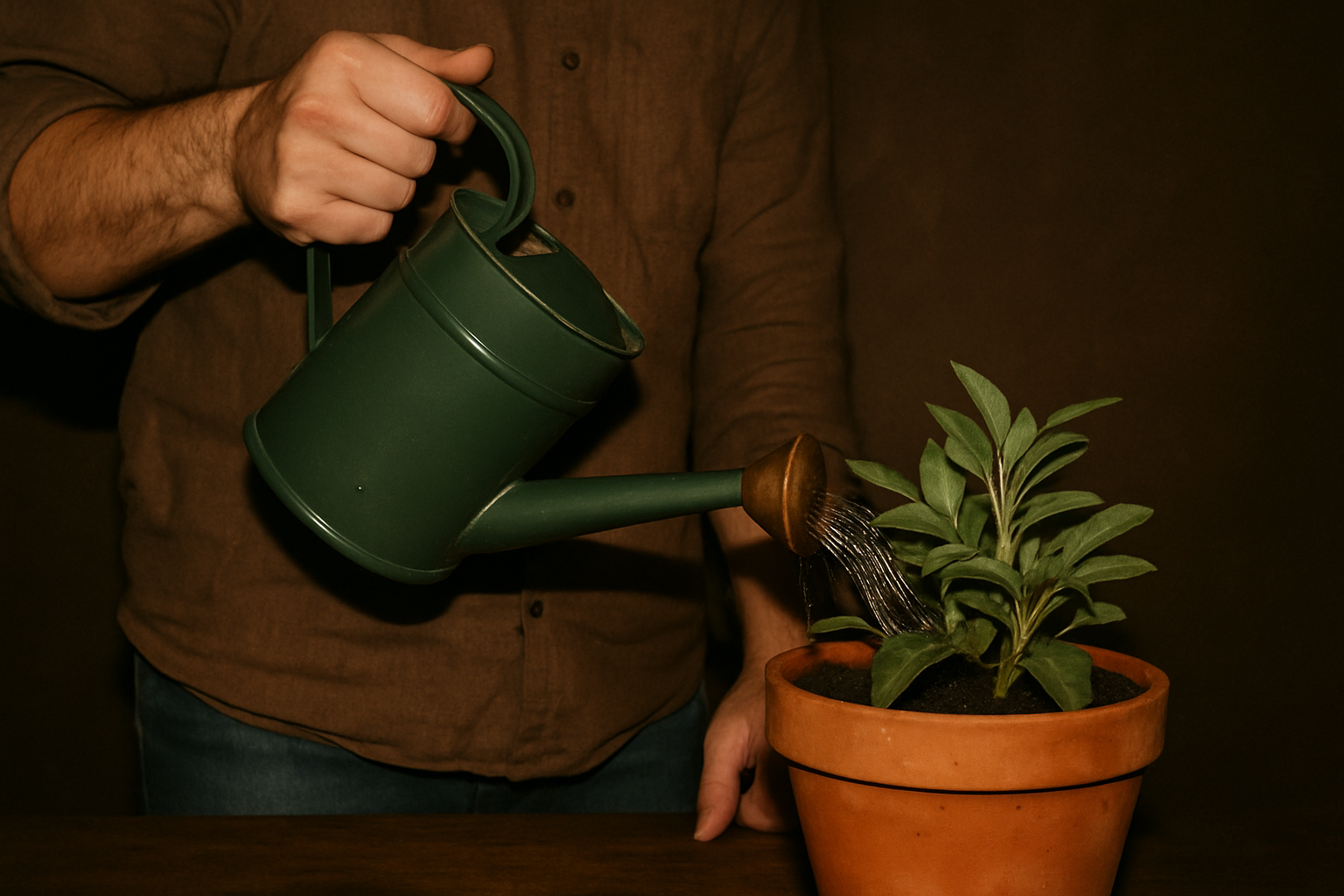
If your soil stays soggy, your vertical garden won’t last long. Stick to lightweight potting soil with solid drainage properties skip anything dense or clay heavy. Vertical setups don’t have the luxury of deep roots, so you need soil that lets excess water move through quickly while holding enough moisture for the plants to thrive.
Next, make watering hands off if you can. Drip irrigation lines or self watering systems save time and reduce water waste. They’re ideal for busy gardeners or spots where dragging a hose around just isn’t practical. Even a simple DIY bottle drip can go a long way.
Don’t forget the base. Always elevate your trays or use saucers beneath containers to keep water from pooling. It prevents rot, protects whatever surface you’re growing on, and makes cleanup a whole lot easier. Efficient watering isn’t just about the plants it’s about the system keeping up with them.
Balance Function and Style
Vertical gardens can do a lot more than grow herbs they can elevate your space if you play your cards right. Start by mixing textures. Don’t just stop at green; think wood planters, ceramic pots, black metal brackets. Layering materials adds dimension and breaks the visual monotony that can happen when everything’s leafy.
Next, group plants with purpose. Stagger them based on height and how they grow. Vines up high, bushy herbs in the middle, hanging greens near the bottom. Stick to a color palette, or contrast sharply for visual punch. Either way, don’t go random.
Using frames and ladders isn’t just about saving space it keeps the whole setup clean and intentional. Light structures help vertical gardens blend into the background, which matters in tight spots.
Need to see it in action? Here’s a solid batch of small space vertical gardens that hit the mark.
Maintenance Made Simple
A thriving vertical garden doesn’t require constant upkeep but it does benefit from intentional, routine care. Keeping your setup neat and productive boils down to three essentials: pruning, rotation, and proactive pest control.
Prune Regularly for a Cleaner Look
Routine pruning helps more than just aesthetics it encourages fuller growth and helps redirect the plant’s energy where it matters most.
Remove dead leaves and spent flowers weekly to prevent pests
Trim back overgrowth to maintain airflow between plants
Use clean, sharp tools to avoid plant damage or disease transfer
Rotate for Even Growth
Uneven sunlight exposure can lead to lopsided or leggy plants. Small adjustments go a long way in keeping growth balanced.
Turn hanging baskets and wall planters every few days
Rotate pots on shelving units to distribute light evenly
Watch sun patterns especially near windows or balconies with partial obstruction
Stay Ahead of Pests Naturally
Vertical gardens can sometimes concentrate pests in tight clusters. Managing spacing and incorporating natural repellents prevents infestations.
Space plants to allow airflow and minimize contact
Use natural deterrents like neem oil or garlic spray
Check leaves and stems regularly for pests like aphids and mites
A little routine care ensures your vertical garden not only survives but thrives even in the smallest spaces.
Build Up, Not Out
When floor space is limited, your walls, railings, and even ceilings become valuable real estate. Vertical gardening isn’t just a trendy workaround it’s a practical solution for apartment dwellers, condo owners, and homeowners making the most of tight layouts. You don’t need a backyard to produce herbs, salad greens, or even cherry tomatoes. You just need to think in layers.
Wall mounted planters, tall shelves, stackable pots, and hanging systems let you expand your green footprint without sacrificing square footage. With a little bit of strategy like grouping plants by light needs or stacking shade lovers below you can create a thriving, compact ecosystem.
Bottom line: stop looking at your lack of space as a limitation. Start treating vertical space like the blank canvas it is. With the right setup, your walls will do more than hold up your ceiling they’ll grow dinner, too.

 Ask Geldric Kelthorne how they got into gardening and landscaping ideas and you'll probably get a longer answer than you expected. The short version: Geldric started doing it, got genuinely hooked, and at some point realized they had accumulated enough hard-won knowledge that it would be a waste not to share it. So they started writing.
What makes Geldric worth reading is that they skips the obvious stuff. Nobody needs another surface-level take on Gardening and Landscaping Ideas, Creative Inspirations, DIY Home Projects. What readers actually want is the nuance — the part that only becomes clear after you've made a few mistakes and figured out why. That's the territory Geldric operates in. The writing is direct, occasionally blunt, and always built around what's actually true rather than what sounds good in an article. They has little patience for filler, which means they's pieces tend to be denser with real information than the average post on the same subject.
Geldric doesn't write to impress anyone. They writes because they has things to say that they genuinely thinks people should hear. That motivation — basic as it sounds — produces something noticeably different from content written for clicks or word count. Readers pick up on it. The comments on Geldric's work tend to reflect that.
Ask Geldric Kelthorne how they got into gardening and landscaping ideas and you'll probably get a longer answer than you expected. The short version: Geldric started doing it, got genuinely hooked, and at some point realized they had accumulated enough hard-won knowledge that it would be a waste not to share it. So they started writing.
What makes Geldric worth reading is that they skips the obvious stuff. Nobody needs another surface-level take on Gardening and Landscaping Ideas, Creative Inspirations, DIY Home Projects. What readers actually want is the nuance — the part that only becomes clear after you've made a few mistakes and figured out why. That's the territory Geldric operates in. The writing is direct, occasionally blunt, and always built around what's actually true rather than what sounds good in an article. They has little patience for filler, which means they's pieces tend to be denser with real information than the average post on the same subject.
Geldric doesn't write to impress anyone. They writes because they has things to say that they genuinely thinks people should hear. That motivation — basic as it sounds — produces something noticeably different from content written for clicks or word count. Readers pick up on it. The comments on Geldric's work tend to reflect that.