Start With Smarter Plant Choices
Native plants are your low maintenance power players. These are species that have adapted to your region’s soil, seasons, and rainfall over time so they don’t need much help to survive. When you plant natives, you’re cutting your irrigation needs, reducing pest issues, and dodging the constant upkeep that imported ornamentals often demand.
Look for drought tough varieties that can roll with hotter summers and inconsistent rainfall. These kinds of plants hold their own during dry spells and often support local pollinators like bees and butterflies in the process a win for your garden and the ecosystem.
Don’t just plant one or two types. Go for a mix ground cover, shrubs, perennials. A diverse layout balances moisture, protects soil, and creates a self sustaining microclimate. Biodiversity isn’t just a buzzword. It keeps your garden resilient through weather swings and pest pressures. Get strategic, go local, and let nature do more of the heavy lifting.
Rethink Your Lawn
Traditional grass lawns might look neat, but they drink a ton of water and offer little to local ecosystems. It’s time to scale them back or ditch them altogether. Replacing turf with ground covers like creeping thyme or native sedges cuts down on maintenance and cuts out the sprinklers.
Clover is another smart swap it stays green, fixes nitrogen into the soil, and supports pollinators. Or go a bit wild with ornamental grasses that thrive on less water and create visual movement in your space.
No mow and low mow zones aren’t just low effort they’re good for the soil. Letting grass grow out builds root strength, boosts earthworm activity, and gives ground nesting insects a shot at survival. A tidier yard isn’t always a healthier one. Shift the mindset, and your garden becomes part of the solution.
Embrace Water Wise Strategies
Water conservation isn’t a trend it’s a necessity. Drip irrigation and soaker hoses are the quiet heroes here. They deliver water right to the roots, where it matters, without wasting a drop to evaporation or runoff. Set them on timers and you’ve got a low maintenance system that works harder than a hose left running.
Rain barrels and catchment systems are the next step. They’re simple, cost effective, and turn the chaos of a storm into a free resource. One solid downpour can fill a barrel enough for days of watering.
Finally, it just makes sense to group plants by how thirsty they are. Keep the ultra low water succulents away from the herb garden. No more overwatering one while trying to save the other. It’s basic zoning, but it saves gallons over a season. Efficient doesn’t have to mean complex just intentional.
Prioritize Soil Health Over Aesthetics
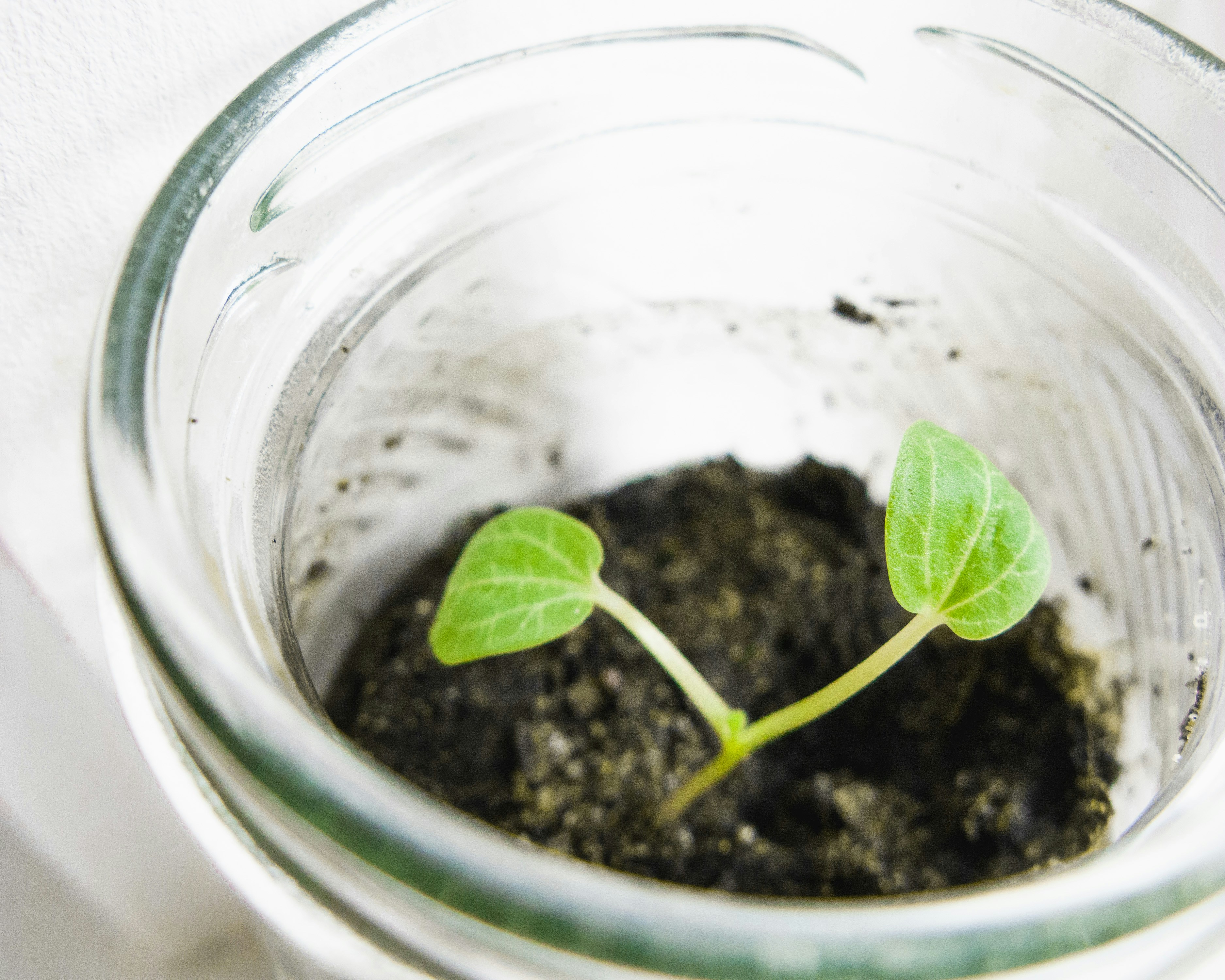
Healthy soil isn’t just a backdrop it’s the backbone of every climate conscious landscape. Start with compost. Apply it regularly, not just when things look dry or sad. Compost feeds microbial life, improves structure, and helps soil hold carbon where it belongs: underground. It’s the low tech, high impact way to future proof your garden.
Skip the synthetic fertilizers. They might green things up fast, but the long game tells a different story. Over time, they strip the soil of life and leave you chasing growth with more and more chemical input. Not sustainable. Not smart.
Instead, reach for mulch. Lots of it. A thick layer locks in moisture, keeps weeds in check, and protects the soil from heat and erosion. Bark, straw, even shredded leaves they all do the job. Toss them around your beds like armor. Let the soil breathe, heal, and rebuild.
In short: feed the soil, not just the plants. That’s how you grow a garden that lasts.
Design for Shade, Wind, and Resilience
Plants aren’t just pretty they’re practical. Strategically placing trees or dense shrubs can act as living windbreaks, cutting down gusts that sap moisture from soil and stress plants. In urban or exposed areas, this buffering effect reduces wear on your garden and keeps outdoor zones more stable year round.
Shade is another simple but powerful tool. Trees with broad canopies can block direct sun from buildings, trimming indoor temps and easing the load on your AC. Even smaller plants, like tall grasses or layered shrub borders, help break up heat zones and cut reflected glare from hardscapes.
Got runoff issues after a heavy rain? Natural contouring or low berms slight raised mounds can guide water where it’s useful, not destructive. These forms slow down flow, reduce erosion, and let moisture soak into the soil instead of rushing away. With a bit of planning, your garden won’t just look thoughtful it’ll perform like it, too.
Think Small Space, Big Impact
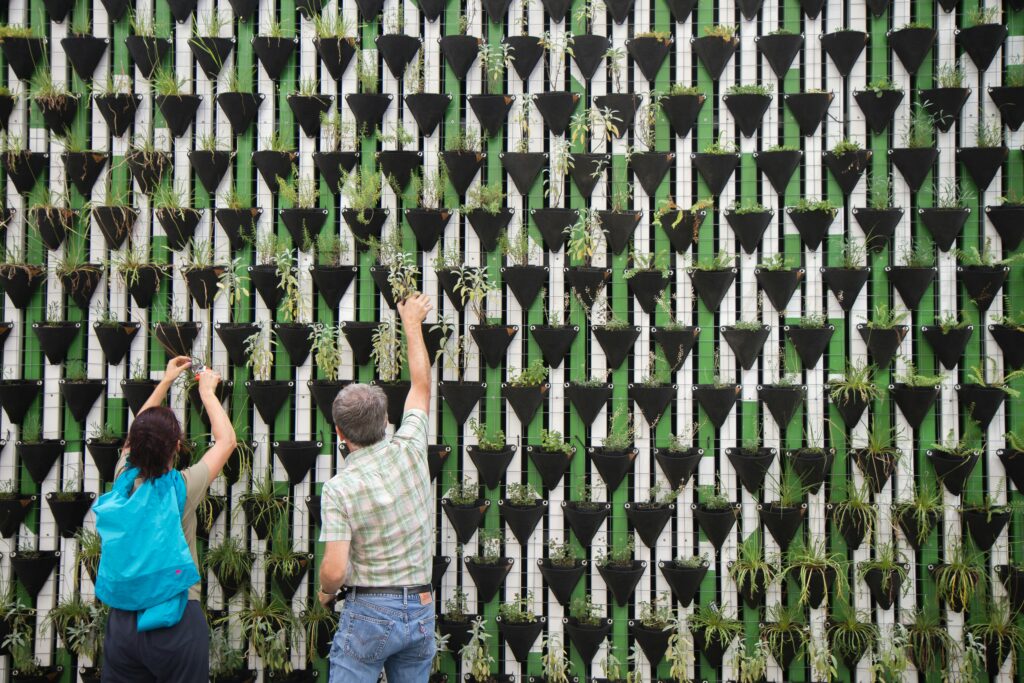
Urban living doesn’t mean you’re out of the climate conversation. Your balcony, window box, or rooftop corner can pull weight. Container gardens grow herbs, greens, and pollinator plants just fine and they add greenery where concrete usually wins. Vertical planting is a smart move when square footage is tight. Hanging pots, trellises, and wall mounted planters let you scale up without spreading out.
Scraps matter, too. Composting kitchen waste in a compact bin isn’t just doable it’s impactful. It cuts down landfill contributions and supplies rich nutrients for your soil. Little spaces, when handled right, can punch far above their weight in helping cool heat islands and boost local biodiversity.
Explore smart techniques and setups in our full urban gardening trends guide.
Keep Materials Climate Friendly
What you build with matters. Instead of defaulting to new materials, look around for what’s already out there reclaimed wood, salvaged stone, second hand bricks. Locally sourced materials also cut down on emissions from transport and usually suit your climate better by default.
When it comes to paths and patios, think beyond concrete. Permeable materials like gravel, spaced pavers, or compressed earth allow rainwater to soak into the ground instead of running off into storm drains. That keeps more water on your property and reduces strain on local systems.
Skip the toxic stuff. Pressure treated lumber, synthetic turf, and plastic edging might be easy upfront, but they can leach chemicals and break down over time. Stick to untreated wood, untreated metal, and natural finishes whenever possible. Gardening’s supposed to be good for the planet your materials should follow suit.
Long Term Sustainability Habits
Building a climate conscious garden isn’t just about what you plant it’s about how you maintain and adapt your green space over time. Sustainable habits transform short term impact into long term resilience.
Practice Seasonal Maintenance
Tuning your garden to the rhythm of the seasons supports both plant health and environmental balance. Key practices include:
Pruning: Timely, targeted trimming encourages healthy growth and prevents disease proliferation.
Cover cropping: Using living mulch in the off season helps enrich the soil, retain nutrients, and reduce erosion.
Companion planting: Strategic plant pairings deter pests naturally and improve yields without synthetic intervention.
Know Your Growing Zone
Climate change is reshaping hardiness zones and weather patterns. Staying informed allows you to:
Adjust planting schedules based on updated frost dates
Select varieties better suited to new conditions
Experiment with microclimates within your yard for greater success
Foster Community Connections
Gardening becomes more impactful and sustainable when shared. Community involvement can:
Provide access to shared tools and knowledge
Reduce waste through collective composting
Strengthen local food systems with neighborhood gardens
Every garden can be a climate solution no matter the size or location.
Small actions, repeated consistently and shared widely, are the root of real change. Let your garden become a model of sustainability for others around you.

 Ask Geldric Kelthorne how they got into gardening and landscaping ideas and you'll probably get a longer answer than you expected. The short version: Geldric started doing it, got genuinely hooked, and at some point realized they had accumulated enough hard-won knowledge that it would be a waste not to share it. So they started writing.
What makes Geldric worth reading is that they skips the obvious stuff. Nobody needs another surface-level take on Gardening and Landscaping Ideas, Creative Inspirations, DIY Home Projects. What readers actually want is the nuance — the part that only becomes clear after you've made a few mistakes and figured out why. That's the territory Geldric operates in. The writing is direct, occasionally blunt, and always built around what's actually true rather than what sounds good in an article. They has little patience for filler, which means they's pieces tend to be denser with real information than the average post on the same subject.
Geldric doesn't write to impress anyone. They writes because they has things to say that they genuinely thinks people should hear. That motivation — basic as it sounds — produces something noticeably different from content written for clicks or word count. Readers pick up on it. The comments on Geldric's work tend to reflect that.
Ask Geldric Kelthorne how they got into gardening and landscaping ideas and you'll probably get a longer answer than you expected. The short version: Geldric started doing it, got genuinely hooked, and at some point realized they had accumulated enough hard-won knowledge that it would be a waste not to share it. So they started writing.
What makes Geldric worth reading is that they skips the obvious stuff. Nobody needs another surface-level take on Gardening and Landscaping Ideas, Creative Inspirations, DIY Home Projects. What readers actually want is the nuance — the part that only becomes clear after you've made a few mistakes and figured out why. That's the territory Geldric operates in. The writing is direct, occasionally blunt, and always built around what's actually true rather than what sounds good in an article. They has little patience for filler, which means they's pieces tend to be denser with real information than the average post on the same subject.
Geldric doesn't write to impress anyone. They writes because they has things to say that they genuinely thinks people should hear. That motivation — basic as it sounds — produces something noticeably different from content written for clicks or word count. Readers pick up on it. The comments on Geldric's work tend to reflect that.