Max Out Natural Light
Natural light isn’t just about aesthetics it’s free lighting you don’t have to plug in. Thoughtful window placement goes a long way. Aim to position windows to face where they’ll get steady daylight based on your climate and home orientation. This means fewer lights flicked on during the day and more even lighting across your space.
To push that light further, make reflective materials your friend. Light colored walls, glossy surfaces, mirrors these bounce sunlight deeper into rooms, cutting down on shadows and electricity bills. It’s a subtle trick that works surprisingly well in darker corners.
For spots that never catch a break interior bathrooms, hallways, windowless nooks solar tubes are a smart cheat. They funnel sunlight down from the roof through reflective tubing. No wiring, no hassle, just brighter rooms that don’t depend on the grid.
Insulation is Everything
Energy efficiency starts with what you can’t always see: insulation. If your walls and attic aren’t properly insulated, you’re basically heating or cooling the outdoors. Upgrading insulation cuts down on energy loss fast and pays off almost immediately in lower utility bills. Don’t skimp this is where smart design gets real results.
Next, take a hard look at the gaps. Doors, windows, and baseboards leak more air than most people think. Sealing these up with caulk, weather stripping, or foam stops drafts in their tracks. It’s not glamorous work, but neither is overpaying your energy bill every month.
Finally, give your windows backup support. Insulated curtains add an extra thermal barrier during hot summers or bitter winters. Open them during the day to let sun in, close them at night to lock heat inside. Small habit, big difference.
Smarter Window Choices
When it comes to heat loss, windows are usually one of the biggest culprits. Investing in double or triple glazed windows isn’t just about comfort it’s about cutting energy bills and making your home work smarter. These panes trap air in between layers, acting as insulation to keep warm or cool air where it belongs.
Next, consider low emissivity (low e) glass. It has a nearly invisible coating that reflects thermal energy. In plain terms: it keeps heat outside in the summer and inside in the winter. That small upgrade to your glass can make a noticeable difference in how hard your HVAC system has to work.
For extra efficiency, add thermal blinds or apply insulating window films. They’re relatively low cost and help block drafts or excess sun. On their own, they won’t solve everything but together with upgraded windows, they tighten up one of the leakiest parts of most homes.
Eco Friendly Fixtures & Appliances
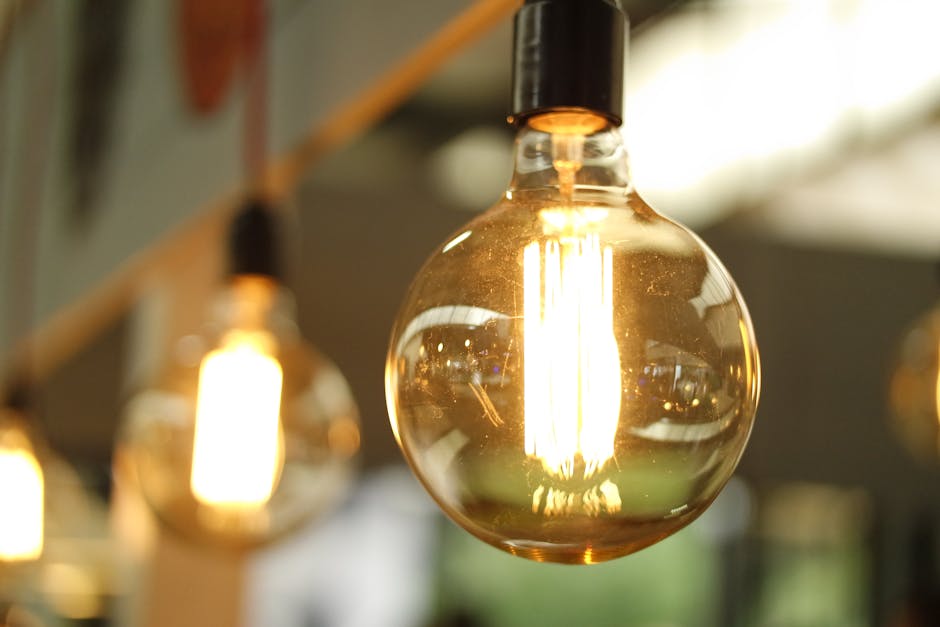
If your bulbs are still incandescent, it’s time to retire them. LEDs use a fraction of the energy and last way longer. The upfront cost? Minimal. The long term savings? Significant.
Next, don’t waste energy on appliances built like it’s still 2005. Energy Star rated models are designed to use less power without sacrificing performance. That includes everything from fridges to dishwashers to washing machines just look for the label, and avoid anything that looks like a power hungry dinosaur.
Finally, get smart about how you manage your energy use. Smart thermostats learn your habits and adjust heating and cooling automatically, so you’re not blasting heat while you’re out. Combine that with programmable or motion sensing lighting, and you’ll cut energy waste without even thinking about it. Set it, forget it, and watch the savings stack up.
Efficient Layout & Design

How your home is laid out doesn’t just affect how it looks it determines how efficiently it runs. Open floor plans are more than a design trend. They can actually optimize airflow, meaning your HVAC system works less to heat or cool various pockets of the home. Fewer interior walls also make it easier for warm or cool air to travel, especially when paired with ceiling fans or cross ventilation strategies.
Orientation matters, too. In colder climates, homes with more south facing windows capture warmth from the low winter sun. It’s a passive solar trick that cuts down heating needs without lifting a finger or touching a thermostat.
Lastly, think strategically with plumbing. Grouping bathrooms, laundry rooms, and kitchens closer together shortens the path hot water has to travel. That means less energy spent pumping and reheating water, which adds up fast. Smart layout equals long term energy and money savings.
Water Wise Design Tips
Saving water is about more than shorter showers. The right fixtures make a real dent in overall usage and your utility bills. First up: low flow faucets, toilets, and showerheads. They’re engineered to use far less water without compromising performance. Bonus: less hot water used means less energy spent heating it.
Next, skip the big tank and go for something smarter. Tankless water heaters only fire up when you need hot water. No standby heating, no wasted energy, just efficient delivery on demand.
And if you’re in a region where it’s allowed, recycling greywater can go a long way. Water from sinks, showers, and washing machines can be filtered and redirected to your landscaping. It’s a smart way to cut water waste and keep your garden thriving without turning on the tap.
These upgrades aren’t flashy, but together, they make a home leaner, smarter, and more sustainable.
Sustainable Materials That Work for You
When it comes to energy efficient design, what your home is made of matters. Bamboo, reclaimed wood, and recycled steel aren’t just buzzwords they’re smart material choices that take less energy to produce from the ground up. That means lower environmental impact before these materials even show up at your door.
Paints and finishes also deserve a closer look. Many off the shelf options are loaded with VOCs (volatile organic compounds), which hurt indoor air quality and trigger everything from allergies to headaches. Opting for non toxic alternatives helps keep your living space safer, especially if you’re spending more time at home.
The good news? You don’t need to tear down walls tomorrow to make a difference. Start where you are. Swap out old finishes. Choose better paint. And if you’re looking to go deeper, check out these eco friendly design changes that can move the needle without blowing your budget.
Small Upgrades That Add Up
You don’t need to gut your house to make real energy savings. Start small. Draft stoppers and weather stripping are simple fixes, but they’re brutally effective especially around doors and windows where energy quietly escapes. It’s a weekend job, and the payoff is year round.
Next, get smarter about how you plug in. Energy monitoring plugs let you track exactly how much power your devices are burning. Over time, you’ll notice patterns like a fan that runs all night or an old charger drawing power 24/7. Spot it, change it, save money.
Lastly, swap out always on lights for motion sensor setups. Hallways, closets, laundry rooms anywhere you forget to flip the switch. These lights only come on when needed, cutting waste without effort.
None of this is flashy, but it works. Stack up enough little wins and your energy bill starts to notice.
Building or Remodeling? Think Bigger
If you’re building from scratch or taking on a major remodel, this is your moment to design with energy efficiency baked in not bolted on later. Passive solar design does a lot more than just let in sunlight. It’s a strategic placement of windows, thermal mass, and insulation that works with the sun year round. In short: the right layout can cut your heating and cooling needs drastically before you even plug anything in.
Green roofs and cool roofs are no longer fringe ideas they’re practical tools to fight heat gain, reduce stormwater runoff, and extend your roof’s life. Paired with deep overhangs and smart shading, these upgrades help manage temperatures naturally, so your AC doesn’t have to break a sweat.
If you’re serious about minimizing your reliance on mechanical systems, this is where to start. And if you want more ideas on how to build smarter from the ground up, don’t miss this guide to eco friendly design changes.

 Rebecca McDanielords is the kind of writer who genuinely cannot publish something without checking it twice. Maybe three times. They came to diy home projects through years of hands-on work rather than theory, which means the things they writes about — DIY Home Projects, Gardening and Landscaping Ideas, Home Design Trends, among other areas — are things they has actually tested, questioned, and revised opinions on more than once.
That shows in the work. Rebecca's pieces tend to go a level deeper than most. Not in a way that becomes unreadable, but in a way that makes you realize you'd been missing something important. They has a habit of finding the detail that everybody else glosses over and making it the center of the story — which sounds simple, but takes a rare combination of curiosity and patience to pull off consistently. The writing never feels rushed. It feels like someone who sat with the subject long enough to actually understand it.
Outside of specific topics, what Rebecca cares about most is whether the reader walks away with something useful. Not impressed. Not entertained. Useful. That's a harder bar to clear than it sounds, and they clears it more often than not — which is why readers tend to remember Rebecca's articles long after they've forgotten the headline.
Rebecca McDanielords is the kind of writer who genuinely cannot publish something without checking it twice. Maybe three times. They came to diy home projects through years of hands-on work rather than theory, which means the things they writes about — DIY Home Projects, Gardening and Landscaping Ideas, Home Design Trends, among other areas — are things they has actually tested, questioned, and revised opinions on more than once.
That shows in the work. Rebecca's pieces tend to go a level deeper than most. Not in a way that becomes unreadable, but in a way that makes you realize you'd been missing something important. They has a habit of finding the detail that everybody else glosses over and making it the center of the story — which sounds simple, but takes a rare combination of curiosity and patience to pull off consistently. The writing never feels rushed. It feels like someone who sat with the subject long enough to actually understand it.
Outside of specific topics, what Rebecca cares about most is whether the reader walks away with something useful. Not impressed. Not entertained. Useful. That's a harder bar to clear than it sounds, and they clears it more often than not — which is why readers tend to remember Rebecca's articles long after they've forgotten the headline.