What Biophilic Design Actually Means
A Simple Definition
Biophilic design is the practice of integrating natural elements into built environments. More than just aesthetics, it draws on the idea that humans are inherently connected to nature and thrive when surrounded by it.
The goal: to reconnect people with the natural world through thoughtful design
Often seen in residential spaces, office environments, and public architecture
Beyond Just Houseplants
While greenery is often the first thing that comes to mind, true biophilic design goes much deeper than adding a few plants to a room. It incorporates elements such as:
Natural light and open airflow
Organic textures like raw wood and unpolished stone
Indoor layouts that mimic outdoor flow and movement
Soundscapes or water elements that evoke nature
These additions help create a multi sensory experience where space feels alive, refreshing, and restorative.
More Than a Design Trend
Biophilic design isn’t just another fleeting decor style it’s a shift in how people think about space and wellness.
Rooted in environmental psychology and sustainability
Tied to growing awareness of mental health and ecological living
Gaining traction in architecture, urban planning, and interior design
In modern homes, it represents a return to what makes humans feel grounded and comfortable within their environments.
By embracing this philosophy, designers and homeowners are creating more meaningful and nurturing living spaces.
Key Elements That Stand Out
Biophilic design doesn’t try to distract it pulls you in quietly. The materials speak first. Wood with visible grain, raw stone accents, clay finishes, and textiles made from linen or hemp all of it grounds the space. These aren’t flashy choices, but they signal a return to what feels elemental and honest.
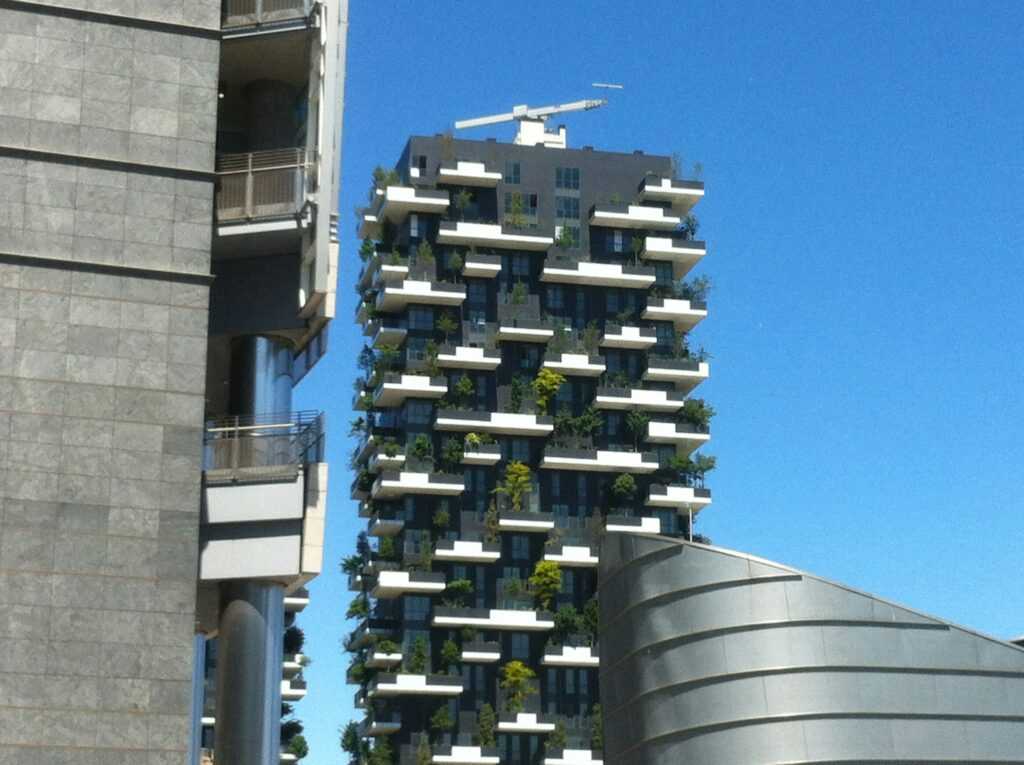
Then there’s the greenery. It’s moved way beyond the odd potted fern. Vines climb interior beams, and moss creeps across entire walls. Vertical gardens aren’t just centerpieces anymore they’re functional, filtering air and softening visual clutter.
Light plays its part too. Floorplans now stretch to pull in every drop of natural light, with windows designed to frame outdoor views like living paintings. The goal isn’t just brightness it’s connection.
Finally, the lines and layouts themselves feel less manufactured. Arched doorways, curved seating, asymmetrical tiling they reflect the rhythm of landscapes rather than the rigidity of straight edges. There’s nothing forced. Just design that breathes, bends, and invites you to do the same.
The Wellness Connection

The link between our environment and mental state isn’t subtle it’s foundational. Biophilic design taps into that by building spaces that echo natural forms. When furniture curves like riverbeds, when light follows the wind’s schedule, and when earthy tones take over sterile white walls, something shifts. Stress slips back a gear. Focus sharpens. People breathe easier literally and emotionally.
It’s not just about aesthetics. Improved airflow, natural ventilation, and materials that don’t release harmful chemicals all quietly power better sleep and cleaner lungs. Whether it’s opening up a layout to pull in daylight or positioning greenery where the eye naturally falls, every design detail serves a purpose. Clean space, clean headspace.
Emotional resilience, too, gets a boost. Spaces grounded in soft greens, terracotta, clay, and warm wood tones don’t just look inviting they create psychological safety. Your nervous system responds the same way it might to a calming walk in a forest: heart rate steady, mood lifted, mind clear. It’s not magic. It’s good design that doesn’t try too hard to feel human.
Biophilic Meets Smart Tech
Nature and Technology Co Designing Spaces
Biophilic design may be rooted in nature, but it’s evolving through innovation. Smart technologies are now essential tools in shaping homes that not only look more natural but behave more organically, too.
Supporting Natural Rhythms with Smart Systems
Modern home automation isn’t just about convenience it’s about syncing your indoor environment with nature’s cues. Smart systems can now track sunlight patterns and adjust indoor lighting accordingly, helping align your home’s rhythm with your own circadian cycles.
Automated lighting that mimics sunrise and sunset
Thermostats that respond to outdoor climate changes
Smart blinds that adjust for optimal daylight and privacy
Climate Responsive Design
Adaptive environments are becoming the hallmark of future facing design. Climate responsive elements integrate both data and material intelligence to create spaces that respond in real time to their surroundings.
Materials that naturally regulate temperature
Ventilation systems that shift based on humidity and air quality
Integration of geothermal or solar technologies without disrupting aesthetics
Smarter Greenery
Maintaining indoor plant life is easier and more efficient than ever. Sensor based irrigation systems and app controlled ecosystems remove guesswork and support lush, healthy growth year round.
Self watering planters connected to your devices
Soil monitors that track moisture and nutrients
AI integrated green walls that optimize plant health
Smarter Homes, Greener Living
Incorporating these technologies not only supports wellness and sustainability goals but also fosters a deeper connection between humans and their living environments.
Related read: Smart Technology and Its Impact on Home Design Evolution
Designing with Intention
You don’t need a full remodel to bring biophilic design into your space. Start small: rearrange furniture to prioritize natural views, ditch heavy curtains and let in more daylight, or swap synthetic materials for organic ones like cotton, wool, and reclaimed wood. Hang a mirror to reflect sunlight deeper into a room. Group plants by type and light need to create living ecosystems, not scattered decor. Even subtle shifts like using nature inspired textures for cushions or natural palettes on walls can build a stronger connection to the outdoors.
Sustainability and style are no longer on opposite ends. Homeowners now want spaces that look good, feel good, and do good. Think multipurpose furniture made from upcycled materials, non toxic finishes, and layouts that maximize cross ventilation instead of upping the AC. The aesthetic is intentional. The impact is long term.
Architects are leaning in, too. Walls are moving. Floors are flowing. Spaces once meant to hold furniture now feel more like organic transitions between indoors and out, between work and rest. We’re seeing layouts that follow the light, rooms shaped by airflow, and materials that age beautifully with time. It’s a full sensory experience, not just a design choice. Homes aren’t boxes anymore. They’re habitats.
Where It’s Headed
Biophilic design has moved past trend status it’s now anchoring a deeper shift in how we think about living spaces. One clear signal: the rising demand for eco sensory luxury. Homeowners aren’t chasing opulence in the traditional sense; instead, they’re drawn to materials, layouts, and finishes that feel good, literally. Think tactile, warm toned wood flooring, calming water features, and diffused natural light that changes with the time of day. It’s luxury built for the body and mind, not the showroom.
At the same time, architects and interior designers are breaking down walls literally. Hybrid spaces that blur the line between indoors and outdoors are becoming standard, not novelty. Retractable glass walls, covered outdoor lounges, and interiors built to capture backyard breezes are helping homes breathe. These zones don’t just add square footage; they rewrite how people engage with their environment.
And perhaps the biggest evolution: a move from purely functional design to spaces that support emotional well being. Biophilic homes now aim to soothe, ground, and inspire. Layouts are simplified. Rooms are designed for rituals meditation, reading, slow breakfasts instead of just utility. Wellness is no longer a bolt on feature; it’s baked into the blueprint.
For a closer look at how smart tech is weaving into this vision, check out the Smart Technology and Its Impact on Home Design Evolution.

 Ask Geldric Kelthorne how they got into gardening and landscaping ideas and you'll probably get a longer answer than you expected. The short version: Geldric started doing it, got genuinely hooked, and at some point realized they had accumulated enough hard-won knowledge that it would be a waste not to share it. So they started writing.
What makes Geldric worth reading is that they skips the obvious stuff. Nobody needs another surface-level take on Gardening and Landscaping Ideas, Creative Inspirations, DIY Home Projects. What readers actually want is the nuance — the part that only becomes clear after you've made a few mistakes and figured out why. That's the territory Geldric operates in. The writing is direct, occasionally blunt, and always built around what's actually true rather than what sounds good in an article. They has little patience for filler, which means they's pieces tend to be denser with real information than the average post on the same subject.
Geldric doesn't write to impress anyone. They writes because they has things to say that they genuinely thinks people should hear. That motivation — basic as it sounds — produces something noticeably different from content written for clicks or word count. Readers pick up on it. The comments on Geldric's work tend to reflect that.
Ask Geldric Kelthorne how they got into gardening and landscaping ideas and you'll probably get a longer answer than you expected. The short version: Geldric started doing it, got genuinely hooked, and at some point realized they had accumulated enough hard-won knowledge that it would be a waste not to share it. So they started writing.
What makes Geldric worth reading is that they skips the obvious stuff. Nobody needs another surface-level take on Gardening and Landscaping Ideas, Creative Inspirations, DIY Home Projects. What readers actually want is the nuance — the part that only becomes clear after you've made a few mistakes and figured out why. That's the territory Geldric operates in. The writing is direct, occasionally blunt, and always built around what's actually true rather than what sounds good in an article. They has little patience for filler, which means they's pieces tend to be denser with real information than the average post on the same subject.
Geldric doesn't write to impress anyone. They writes because they has things to say that they genuinely thinks people should hear. That motivation — basic as it sounds — produces something noticeably different from content written for clicks or word count. Readers pick up on it. The comments on Geldric's work tend to reflect that.