Understanding the Purpose of Lighting
Not all light is created equal. In any room, lighting usually falls into one of three roles: task, ambient, or accent. Task lighting is functional. Think desk lamps, under cabinet kitchen strips, or focused bathroom vanity lighting. It’s designed to help you see clearly and work efficiently. Ambient lighting is your base layer the glow that fills the room. Usually overhead, it’s meant to make the space feel usable without stealing the spotlight. Then there’s accent lighting. This is where personality sneaks in. A directional spotlight over your favorite artwork, LEDs tucked behind shelving, or a soft backlight under a headboard.
Good lighting isn’t just about seeing where you’re going. It shifts how a room feels. Cool white can energize. Warm tones can calm. Intentionally placed fixtures can shape the flow, highlight what matters, and tell the eyes where to rest.
The trick is balancing what you have. Natural light is gold maximize it. But when it’s lacking (or the sun sets), your artificial setup needs to pull its weight. Layering is key: combine ambient with task or accent lighting according to the room’s job. It makes a difference. Not everything has to be fancy just thoughtful.
Living Room Lighting that Works
Living rooms pull double duty. One hour it’s for reading, the next it’s hosting friends or binging a show. That’s why layered lighting isn’t just a nice to have it’s essential. Start with overhead lights to set the baseline. Recessed cans or a clean pendant work well. Then add floor lamps or table lamps to warm things up. Accent lights think picture lights, LED strip backlighting, or spotlights bring attention to the details: textured walls, art pieces, or that perfectly worn leather sofa.
Dimmers are non negotiable. They give you control, let you shift from bright and functional to cozy and intimate without moving a thing. Better yet, smart lighting systems let you automate or voice command mood changes. Want a ‘movie night’ scene or ‘coffee and book’ mode? One tap and you’re there.
A sharp lighting setup doesn’t exist in a vacuum it supports the room’s style. Art on walls shouldn’t just fill space it should be highlighted. Use directed spotlights or adjustable fixtures to bring texture, color, or canvas depth to life. For inspiration on pairing light with design, dive into enhancing interiors with art. It’s not about overcomplicating. It’s about being intentional with every switch and beam.
Kitchen Lighting, Done Right
The kitchen is a workspace first. That means bright, focused task lighting comes standard not optional. Start with overhead recessed lights aimed at prep zones and countertops. You want clear, shadow free visibility when chopping, slicing, or reading recipes. Don’t underestimate the value of a well lit surface it’s safer, faster, and just feels cleaner.
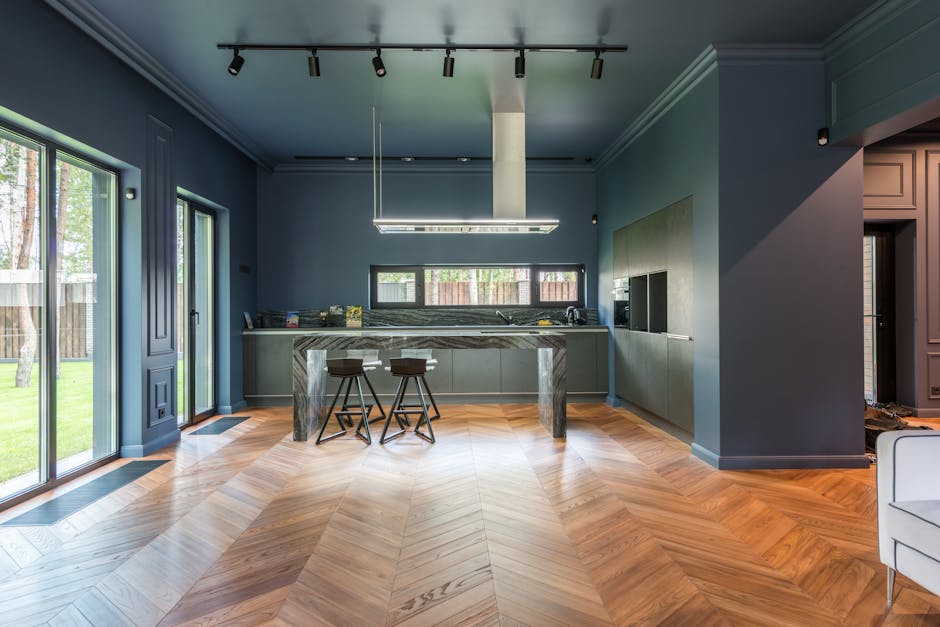
Pendant lights over kitchen islands strike a solid balance between looks and function. They provide direct downlighting for casual meals, homework, or cocktail hours while anchoring the space visually. Go for fixtures that match your hardware or cabinetry if you want cohesion or contrast them for a more modern edge.
Toe kick and under cabinet lighting might seem like a luxury, but they serve serious purpose. Under cabinet strips illuminate dark corners of your countertops and reduce eye strain. Toe kick lighting, placed around the base of cabinets, adds nighttime visibility without blasting the whole room. It’s subtle, safe, and adds a designer finish that doesn’t try too hard.
Bedroom Lighting That Supports Rest
Lighting in the bedroom should do one thing above all else: help you wind down. That means soft, adjustable options that let your eyes and your mind relax. Overhead glare is the enemy here. Instead, layer your lighting. Use table lamps, dimmable wall sconces, or strip lighting tucked behind a headboard. It’s about creating a low, indirect glow that comforts without overwhelming.
Bedside setups matter too. Adjustable lamps or swing arm sconces offer control without having to leave bed. Whether you’re reading, journaling, or scrolling light should support the mood, not dominate it.
Skip cold, harsh bulbs. Aim for warm color temperatures (2700K to 3000K) to sync with melatonin production. The goal: lighting that disappears into the background, supporting your sleep without making a big deal of itself.
Bathroom Lighting That’s Actually Useful
Bathroom lighting has to do more than just look good it needs to work. The vanity is where mistakes show up, so even, front facing light is non negotiable. That means ditching overhead lighting that casts shadows and opting for fixtures on either side of the mirror, or a backlit mirror setup. The goal is clear, shadow free visibility.
Next, pay serious attention to color temperature. Warm lighting gives a flattering glow, but it can misrepresent colors when you’re applying makeup or grooming. Aim for bulbs in the 4000K range bright enough to see true tones, but not so cold that the space feels clinical.
Finally, bring in ambient lighting to soften the room. Whether it’s dimmable sconces, ceiling LEDs, or an accent strip near the tub, the right ambient glow can shift your bathroom from purely functional to spa level comfort. Blend light zones, and your daily routine gets a quiet upgrade.
Office and Workspace Brightness
In workspaces, function takes the lead and lighting needs to follow suit. Cool white lighting (around 4000K to 5000K) is the go to here. It mimics natural daylight more closely, helping to reduce eye strain and keep your focus sharp over long sessions. Warmer hues might look cozy, but they tend to fatigue the eyes when you’re staring at a screen for hours.
Adjustable desk lamps are a smart add. They let you direct light exactly where it’s needed, whether you’re sketching, typing, or sorting through documents. Look for ones with brightness control and color temperature settings it adds flexibility without overthinking it.
One thing that ruins a good setup quickly: screen glare. Position your lights so they shine parallel to your screen, not right into it. Avoid placing bright sources directly behind or in front of your monitor. Lighting your workspace well is less about maxing out brightness and more about smart control.
Dining Room Lighting That Sets the Tone
In the dining room, lighting does more than illuminate it creates atmosphere. Start with a dimmable pendant or chandelier centered directly over the table. This isn’t just about visibility it’s about shaping how the room feels during a meal. Too bright, and it’s sterile. Too dim, and it loses functionality. Adjustable fixtures let you set the tone depending on the occasion.
Size and height matter. A fixture that’s too wide overwhelms the space. Too small, and it looks lost. Hang it low enough to anchor the table visually roughly 30 to 36 inches above the surface but high enough to keep sightlines clear.
Don’t stop at the table. Surrounding accent lighting picture lights, wall sconces, even uplighting can enhance artwork or architectural features. Think of it as framing the scene rather than stopping at center stage. The goal is visual balance. Functional, beautiful, and tied into the broader interior strategy.
For more on how art and lighting work together, visit enhancing interiors with art.
Final Lighting Strategy Tips
Lighting can quietly make or break the way a room feels so don’t leave it to chance.
First, get clear on your bulb game. Light temperature sets the tone. Warm white (around 2700K) is cozy and works well in bedrooms and living rooms. Cooler whites (4000K 5000K) are sharper and great for kitchens, bathrooms, and workspaces. And don’t overlook bulb type: LEDs last longer, use less energy, and come in just about every style you can imagine. Choose wisely and match the tone with the task.
Second, scale your brightness to the room’s use. A hallway doesn’t need the glare of a kitchen. A reading nook wants softer lighting than a home gym. Think in terms of function and flow how people move and what they do in the space.
Finally, lighting shouldn’t be slapped on after everything else is done. It belongs in the blueprint. Anchor it to your layout and aesthetic. Use it to define zones, spotlight materials, and tie design choices together. Treat it like any major element form meets function from the beginning.

 Ask Melodiette Brooks how they got into creative inspirations and you'll probably get a longer answer than you expected. The short version: Melodiette started doing it, got genuinely hooked, and at some point realized they had accumulated enough hard-won knowledge that it would be a waste not to share it. So they started writing.
What makes Melodiette worth reading is that they skips the obvious stuff. Nobody needs another surface-level take on Creative Inspirations, DIY Home Projects, Interior Decorating Tips. What readers actually want is the nuance — the part that only becomes clear after you've made a few mistakes and figured out why. That's the territory Melodiette operates in. The writing is direct, occasionally blunt, and always built around what's actually true rather than what sounds good in an article. They has little patience for filler, which means they's pieces tend to be denser with real information than the average post on the same subject.
Melodiette doesn't write to impress anyone. They writes because they has things to say that they genuinely thinks people should hear. That motivation — basic as it sounds — produces something noticeably different from content written for clicks or word count. Readers pick up on it. The comments on Melodiette's work tend to reflect that.
Ask Melodiette Brooks how they got into creative inspirations and you'll probably get a longer answer than you expected. The short version: Melodiette started doing it, got genuinely hooked, and at some point realized they had accumulated enough hard-won knowledge that it would be a waste not to share it. So they started writing.
What makes Melodiette worth reading is that they skips the obvious stuff. Nobody needs another surface-level take on Creative Inspirations, DIY Home Projects, Interior Decorating Tips. What readers actually want is the nuance — the part that only becomes clear after you've made a few mistakes and figured out why. That's the territory Melodiette operates in. The writing is direct, occasionally blunt, and always built around what's actually true rather than what sounds good in an article. They has little patience for filler, which means they's pieces tend to be denser with real information than the average post on the same subject.
Melodiette doesn't write to impress anyone. They writes because they has things to say that they genuinely thinks people should hear. That motivation — basic as it sounds — produces something noticeably different from content written for clicks or word count. Readers pick up on it. The comments on Melodiette's work tend to reflect that.