Texture The Unsung Hero of Design
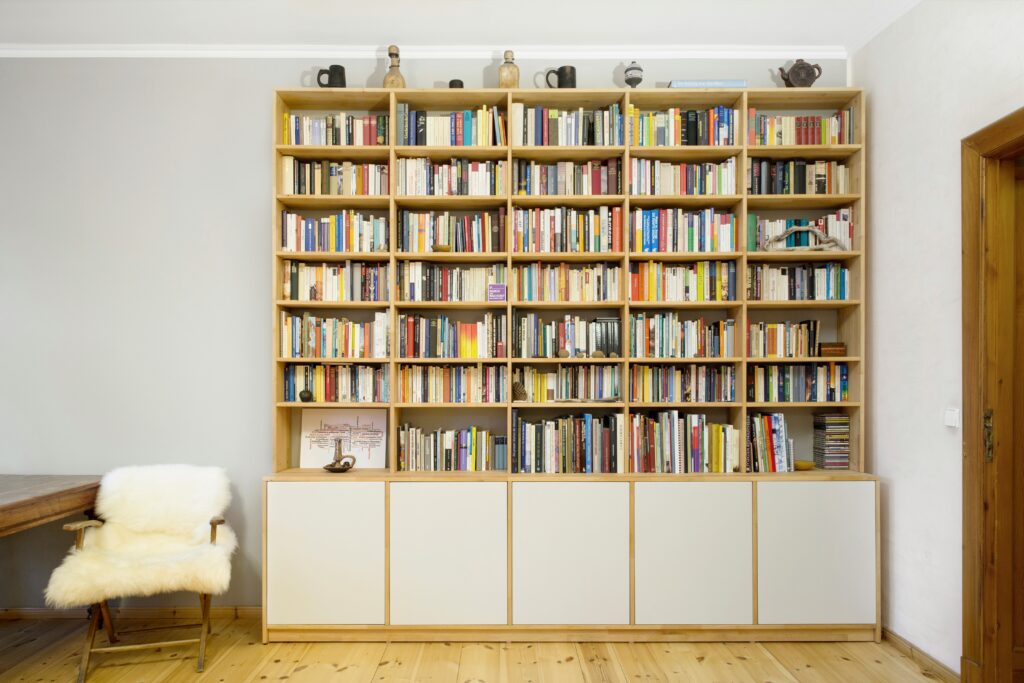
In interior design, texture isn’t just fluff it’s structure, grounding, and personality. At its core, texture is how a surface feels or looks like it would feel. It’s what makes a room rich and layered instead of flat and forgettable.
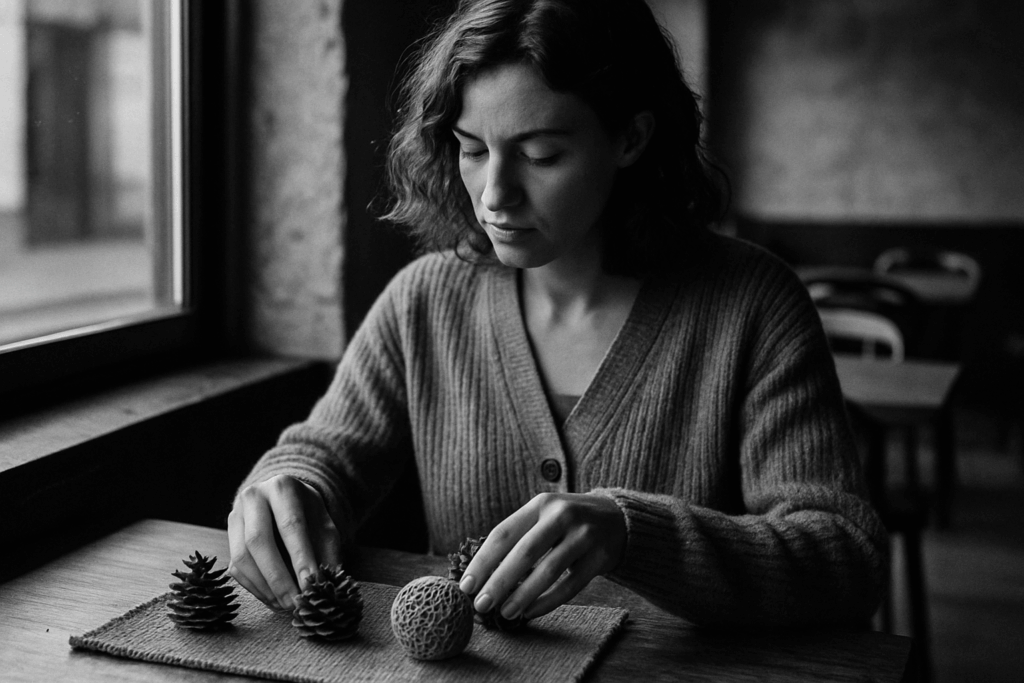
There are two main types you’ll work with: tactile and visual. Tactile texture is stuff you can touch raw wood, nubby linen, slick marble. Visual texture is about how something looks, whether or not it actually feels that way. A wallpaper with a brushed metal print, for example, reads as cool and industrial but may be totally smooth to the touch.
Mastering texture isn’t just a style flex. It’s how designers create movement across a space, set the mood, and build depth. You can take a neutral toned room and make it feel alive just by layering textures think rough jute next to soft velvet, matte stone against gloss tiles. It’s subtle, but it’s what separates a room that just looks nice from one that makes you want to stay.
So don’t skip it. Texture does the quiet heavy lifting.
Layering for Balance
A space without contrast feels flat. One way to add instant depth without clutter is by mixing hard and soft textures think wood with wool, leather against linen. These combinations create visual tension that makes a room feel grounded yet dynamic.
The key is to pair opposites with intention. Place a smooth leather chair next to a chunky knit throw. Let a sleek concrete floor meet a plush wool rug. Even small choices, like a rough hewn wooden bowl on a glossy lacquered shelf, can shift the tone of an entire space.
But here’s the catch: moderation matters. There’s a fine line between layered and overloaded. Stick to three or four dominant textures in a room and let them play off each other. Don’t just pile on material for the sake of variety every choice should support the mood you’re going for. Texture should feel curated, not chaotic.
Natural Materials = Instant Warmth
Nature doesn’t fake it. Which is why interior designers keep coming back to stone, jute, rattan, and reclaimed wood. Each of these has a specific mood and purpose.
Stone, whether polished marble or rough slate, adds weight and permanence. Jute offers a coarse, earthy texture with strong eco vibes it’s perfect underfoot as a rug or in a relaxed wall hanging. Rattan walks the line between rustic and coastal, keeping things light while still textured. And reclaimed wood? That’s character in every knot and nick. It’s functional history.
Rustic comes into play when you let the material speak loudly think unfinished edges, uneven grain, visible wear. Refined means restraint. It’s about clean lines, matte finishes, and pairing the organic with sleek metals or soft fabrics. You can absolutely mix both in one space just know when to let a texture lead and when to let it support.
Color balance is the key to tying it all together. Natural textures are often neutral, which makes them perfect backdrops for deeper palettes or accent tones. Warm woods love deep greens and navy; jute pairs well with soft whites or muted earth tones. Don’t compete. Let the material’s form and feel do the talking.
Want to explore more on this? Head to texture in interior design.
Using Texture Strategically
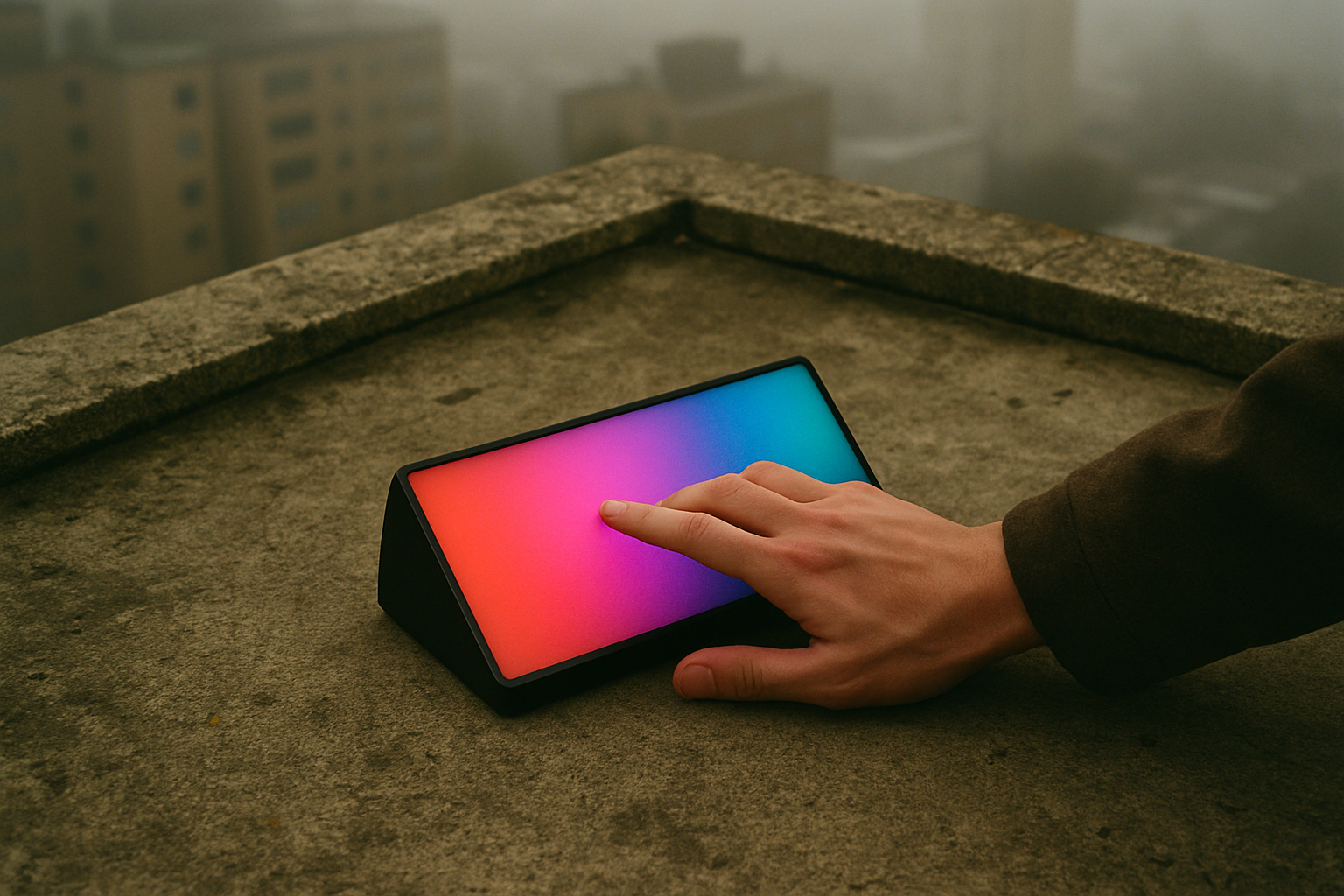
Texture isn’t just about adding interest it can become the visual anchor of a space when used intentionally. By highlighting specific elements with tactile materials, you create a room that feels grounded, thoughtful, and complete.
Create a Standout Wall
One of the most impactful ways to incorporate texture is by dedicating a feature wall to it. Instead of relying on color or patterns, textured walls offer quiet drama and character.
Options include:
Shiplap: Brings a clean, coastal or farmhouse vibe with understated charm.
Exposed brick: Adds industrial edge and a raw, urban texture.
Plaster or limewash: Creates soft depth and an artisanal finish perfect for a minimalist or old world look.
Each material catches light differently and provides a distinct tactile experience ideal for rooms that need more depth without visual clutter.
Elevate With Upholstery
Don’t underestimate the power of fabric. The right upholstery can completely reframe your space,
subtly driving texture without overwhelming your design.
Consider these popular choices:
Bouclé: Soft, looped, and undeniably cozy great for accent chairs or throw pillows.
Velvet: Rich, plush, and light catching a natural choice for luxe interiors.
Worn leather: Introduces character and durability, grounding sharp or modern aesthetics.
Use upholstery pieces to layer in comfort alongside visual texture. Swapping or layering a few textiles can change a room’s mood instantly.
Let Texture Take the Lead
While color and shape often get the spotlight, let texture be the star. A textured focal point draws interest without shouting, making it easier to create harmonious rooms.
Instead of a statement color, use a sculptural, texture rich piece like a wool tapestry, carved wood panel, or woven wall art.
Choose a unique textured light fixture or ceramic piece as your room’s centerpiece.
By letting texture play the lead role now and then, you’re not just decorating you’re curating a sensory experience.
Light + Texture = Magic
Lighting may just be the most underrated partner texture has. The same brick wall can feel raw and industrial under harsh white light or cozy and rustic under a warm, low glow. Texture doesn’t live in a vacuum it reacts. Swap out lighting and the entire mood of a room can shift.
If you want texture to pop, directional lighting is your go to. Think side lighting or downlighting. It throws shadows across textured surfaces and highlights the highs and lows. Wood grain, linen weave, exposed stone these details come to life when light grazes across them instead of hitting head on.
Then there’s layered lighting: ambient, task, and accent working together. When you pair that with layered textures say, a leather chair against a plastered wall under a soft spotlight you start creating visual stories. It’s depth without clutter. Mood without effort. Intentional lighting turns passive textures into active design elements. And that’s when a good room becomes a memorable one.
Personalizing Texture to Match Your Style
Texture isn’t just about layering fabrics or adding rugs. It’s about expressing your personal design style through subtle contrasts, tactile elements, and thoughtful material choices. Here’s how to tailor texture to suit different aesthetics while keeping your space balanced and updated.
Modern Minimalism: Texture Without Clutter
For minimalist spaces, the goal is to keep things streamlined but not sterile. Texture becomes your secret weapon for warmth and dimension, without needing excess decor.
Key strategies:
Use a restrained palette layer whites, neutrals, or muted tones in different finishes
Incorporate subtle textures: matte ceramics, soft woven throws, brushed metal accents
Let natural light highlight textures like plaster walls or matte flooring
Tip: Choose one or two standout tactile elements, like a boucle accent chair or raw wood coffee table, and let them anchor the space
Texture Across Styles
Different aesthetics lend themselves to different textures use this guide to align your choices.
Classic
Finish matters: satin woods, velvet upholstery, polished stone accents
Pairs well with symmetry, traditional moldings, and warm color temperatures
Eclectic
Mix it up: global textiles, woven pieces, bold wall hangings
Texture becomes a visual bridge between styles and eras
Boho
Lean into textiles: macramé, fringe, soft knits, shag rugs
Natural materials like bamboo, jute, and weathered linens work well
Industrial
Prioritize hard textures: concrete, brick, blackened metal
Contrast with worn leather, unfinished wood, and utilitarian fabrics
Editing with Intention
While texture adds visual interest, more isn’t always better. The key is to edit down to what feels intentional and functional.
Tips to stay smart, not cluttered:
Limit each room to 3 4 primary textures
Repeat textures across elements to create continuity (e.g., linen in both curtains and cushions)
Keep bold textures grounded with calmer materials around them
Texture is most powerful when it feels effortless. Whether you prefer clean lines or layered coziness, making thoughtful texture choices will elevate the entire room.
Want More Texture Tips?
Designers don’t just throw textures around they use them with precision. The secret lies in how textures are layered to create contrast, warmth, and movement, all while staying true to a room’s core style. In minimalist spaces, textures are the quiet heroes that keep things from feeling flat think matte concrete paired with soft wool throws. In eclectic or boho interiors, designers go wild with variety woven baskets, velvet cushions, and reclaimed wood all working together without chaos.
The key is picking texture with intention. Every surface, fabric, or finish should tie back to how the space feels. Industrial spaces lean on raw edges brick, metal, weathered leather while classic designs get their texture from plush rugs, drapes, and layered woods. It’s not about adding more; it’s about adding the right thing, in the right spot.
For a deeper look at how it all comes together, check out this detailed guide on using texture to add depth and interest.

 Ask Melodiette Brooks how they got into creative inspirations and you'll probably get a longer answer than you expected. The short version: Melodiette started doing it, got genuinely hooked, and at some point realized they had accumulated enough hard-won knowledge that it would be a waste not to share it. So they started writing.
What makes Melodiette worth reading is that they skips the obvious stuff. Nobody needs another surface-level take on Creative Inspirations, DIY Home Projects, Interior Decorating Tips. What readers actually want is the nuance — the part that only becomes clear after you've made a few mistakes and figured out why. That's the territory Melodiette operates in. The writing is direct, occasionally blunt, and always built around what's actually true rather than what sounds good in an article. They has little patience for filler, which means they's pieces tend to be denser with real information than the average post on the same subject.
Melodiette doesn't write to impress anyone. They writes because they has things to say that they genuinely thinks people should hear. That motivation — basic as it sounds — produces something noticeably different from content written for clicks or word count. Readers pick up on it. The comments on Melodiette's work tend to reflect that.
Ask Melodiette Brooks how they got into creative inspirations and you'll probably get a longer answer than you expected. The short version: Melodiette started doing it, got genuinely hooked, and at some point realized they had accumulated enough hard-won knowledge that it would be a waste not to share it. So they started writing.
What makes Melodiette worth reading is that they skips the obvious stuff. Nobody needs another surface-level take on Creative Inspirations, DIY Home Projects, Interior Decorating Tips. What readers actually want is the nuance — the part that only becomes clear after you've made a few mistakes and figured out why. That's the territory Melodiette operates in. The writing is direct, occasionally blunt, and always built around what's actually true rather than what sounds good in an article. They has little patience for filler, which means they's pieces tend to be denser with real information than the average post on the same subject.
Melodiette doesn't write to impress anyone. They writes because they has things to say that they genuinely thinks people should hear. That motivation — basic as it sounds — produces something noticeably different from content written for clicks or word count. Readers pick up on it. The comments on Melodiette's work tend to reflect that.