The New Standard: Design Meets Intelligence
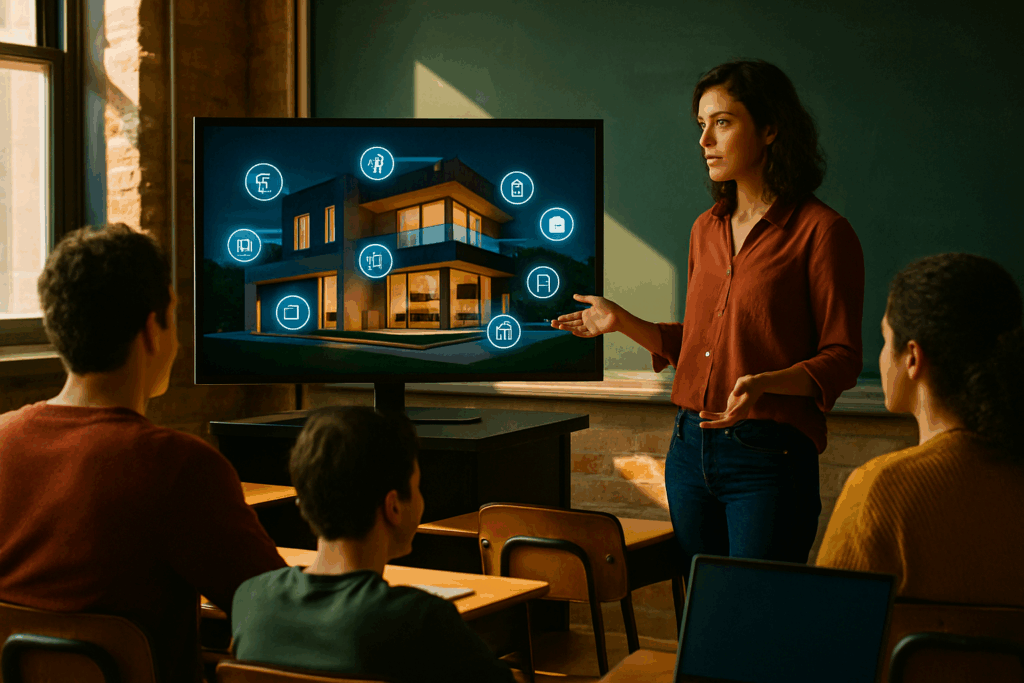
Smart technology has officially moved from novelty to necessity in modern homes. It’s no longer about whether to incorporate tech but how seamlessly you can make it part of your space. Outlets with built in USB C, voice activated lighting, adaptive climate control these aren’t extras anymore. They’re expected.
That shift reflects a deeper cultural move. People aren’t buying devices just to show off specs they want tools that quietly support daily life. The smartest designs today don’t scream “tech.” Instead, they feel natural: lights that adjust when the sun sets, thermostat settings that match your sleep cycle, speakers you forget are even there. It’s not about adding gadgets it’s about building a lifestyle where tech works behind the scenes.
To pull that off, balance is non negotiable. Function has to meet aesthetic and usability head on. If something works flawlessly but clashes with the look of your space, it’s a misfire. Same goes for beautiful gear that’s a hassle to use. Smart design is about harmony where clean lines and intuitive systems live side by side.
This isn’t futuristic thinking anymore. It’s the new standard.
Key Principles for Seamless Integration
Smart technology should feel like a natural extension of the home not an afterthought. For design conscious homeowners and professionals, seamless integration means making smart tech nearly invisible while enhancing the space’s comfort and function.
Conceal to Elevate: Minimalist Wiring and Invisible Hardware
Cluttered cables and blinking devices disrupt visual harmony. The shift toward minimalist design makes clean lines a necessity, not a luxury.
Use in wall wiring and low voltage cabling to eliminate surface mess
Choose recessed outlets and hidden charging stations
Opt for wireless charging where possible to reduce setup complexity
Blend, Don’t Clash: Matching Finishes and Materials
Smart tech should complement the room it lives in not stand out for the wrong reasons.
Choose devices with customizable or neutral finishes
Match color palettes and materials with adjacent furniture or wall textures
Use skins or casings to disguise tech in plain sight
Design by Purpose: Intentional Technology Zones
Creating dedicated zones for smart functions allows homeowners to interact with technology intuitively.
Lighting: Use layered lighting scenes that adapt through the day
Audio: Design acoustically optimized zones for background music or entertainment hubs
Climate: Automate through intelligent zoning based on room usage
Security: Integrate discreet sensors and cameras near entry points
Each zone should serve a purpose and contribute to overall comfort.
Choose the Right Interface: Voice vs. Touch
Not every space or user benefits from the same interface.
Voice Control: Best for hands free areas like kitchens, bathrooms, and entryways
Touch Panels: Ideal for living rooms, bedrooms, and central hubs where users may want precision and visual feedback
Consider user behavior, privacy needs, and noise levels when deciding how to balance voice commands with manual interfaces.
The ultimate goal? A space that feels smarter, not busier. These principles ensure that technology uplifts the interior design experience rather than cluttering it.
Aesthetically Driven Smart Solutions
Blending smart tech into spaces isn’t just about hiding wires anymore it’s about making high function look effortless. Recessed smart lighting has become a staple for good reason. Tucked into ceilings or under shelves, it creates clean lines and lets the ambience adapt throughout the day. Need a crisp workspace at 10 a.m. and a warm glow for wine at 8? One system now handles both.
Hidden speakers are another low profile win. Built into walls, ceilings, or even furniture, they deliver serious audio without demanding attention. Same goes for smart screens: lift mechanisms, sliding panels, or mirror TV hybrids are helping designers keep devices out of sight, but ready when needed.
Networking clutter is the final boss in most smart homes routers, hubs, and wires popping up in every corner. The solution: custom cabinetry and smart paneling. Done right, these built ins make your tech nearly invisible. The result? A sleek, modern space that sounds, functions, and feels better without screaming “high tech.”
These aren’t gimmicks they’re practical choices with a design first mindset. When tech disappears into the background, the aesthetics take the lead.
Practical Design Tips
Integrating smart technology into a home starts long before installing devices. To ensure a seamless blend of design and function, early planning is critical especially when it comes to the foundation.
Start with Infrastructure
Smart homes are only as intelligent as their foundations. Planning infrastructure early guarantees smoother integration.
Power access: Ensure sufficient outlets and consider hidden wiring routes
Networking: Include hardwired Ethernet connections alongside strong Wi Fi coverage
Sensor planning: Pre map where motion, light, and environmental sensors will be most effective
Early infrastructure decisions help avoid retrofitting issues and support scalability.
Collaborate from the Start
Smart tech shouldn’t be an afterthought. Bringing together interior designers and tech specialists early ensures aesthetic goals and functional needs are aligned.
Coordinate placement of devices with furniture layouts and visual flow
Align lighting design plans with automated systems
Choose materials and finishes that complement device casings or can conceal them effectively
Upgrade with Simplicity in Mind
Every tech addition should enhance daily life without adding complexity or visual noise. Choose features that offer real lifestyle benefits without overwhelming the space.
Opt for discrete upgrades like smart lighting zones or intuitive HVAC controls
Avoid over automating for the sake of novelty focus on practicality
Think invisible: blend or hide devices using custom enclosures, built ins, or color matching techniques
When done right, smart design feels effortless simple to use, subtle to see, and deeply aligned with how people live daily.
Trending Technologies in 2024
Smart home technology is evolving rapidly and 2024 brings a wave of innovations that prioritize both user experience and design integrity. Here are the trends making the biggest impact on interior design this year:
Smart Glass & Privacy On Demand Solutions
Gone are the days of bulky curtains and blinds. Smart glass offers a sleek solution for controlling privacy and light with the tap of a button or no touch at all.
Electrochromic and thermochromic glass allows windows to automatically tint based on weather or time of day
Design benefit: Maintains clean sightlines and minimalistic aesthetics
Perfect for: Bathrooms, street facing rooms, and home offices where privacy needs fluctuate
Eco Conscious HVAC Automation
Comfort no longer has to come at the expense of sustainability. Today’s HVAC systems are smarter, more efficient, and far more discreet.
AI managed climate systems learn user habits and adjust temperature and airflow accordingly
Green integration: Works well with solar panels and energy monitoring solutions
Design focus: Concealed vents, custom grilles, and climate zones tailored to room function
AI Powered Personalization
From tailored lighting scenes to dynamic entertainment settings, artificial intelligence is becoming the central nervous system of luxury interiors.
Adaptive lighting: Adjusts brightness, temperature, and placement by time of day or user preference
Entertainment hubs: Suggest media and modes based on mood and schedule
Enhanced security: AI based recognition for access control and activity alerts
These technologies do more than add convenience they enable spaces to adjust and respond intuitively, enhancing both style and comfort.
To dive deeper into emerging innovations, see the full feature here: Smart Home Innovations Influencing Interior Design
Future Proofing the Space
The smartest tech setups are the ones that can evolve. In 2024, modular smart systems are becoming the preferred path over rigid, permanent installations. Why? Flexibility. If a device goes obsolete or a better version drops next year, you don’t want to tear open your walls just to upgrade. Modular design means components can be swapped, upgraded, or expanded without disruption.
But not all systems are created equal. Pick a platform backed by a strong manufacturer ecosystem brands that play well with others and have a track record of updates and support. Locking yourself into a closed, single brand system can limit choices down the line.
Future proofing also means thinking ahead without overbuilding. That means planning for firmware updates, network scalability, and device compatibility now so you avoid a full redesign later. Build infrastructure that can flex with you, not fight you every time something new hits the market.
Designing with Purpose
Smart homes aren’t about showing off the latest gadgets they’re about supporting the life you want to live. The best tech design starts with intention: What do you need your space to do? Whether it’s winding down after work, entertaining friends, or keeping mornings chaos free, the setup should respond quietly and naturally.
Forget blinking lights and over designed hubs. In 2024, seamless means invisible. Technology should exist in the background subtle automation, ambient control, thoughtfully placed sensors all enhancing atmosphere without hijacking attention. A well designed smart home feels lived in, not like a showroom or a spaceship.
Design choices matter. Functional tech shouldn’t fight the room’s aesthetic. It should blend into natural materials, support your sense of calm, and free up space not clutter it. When done right, smart design doesn’t scream. It whispers. And it supports how you actually live, not how a marketing team imagines you might.

 Rebecca McDanielords is the kind of writer who genuinely cannot publish something without checking it twice. Maybe three times. They came to diy home projects through years of hands-on work rather than theory, which means the things they writes about — DIY Home Projects, Gardening and Landscaping Ideas, Home Design Trends, among other areas — are things they has actually tested, questioned, and revised opinions on more than once.
That shows in the work. Rebecca's pieces tend to go a level deeper than most. Not in a way that becomes unreadable, but in a way that makes you realize you'd been missing something important. They has a habit of finding the detail that everybody else glosses over and making it the center of the story — which sounds simple, but takes a rare combination of curiosity and patience to pull off consistently. The writing never feels rushed. It feels like someone who sat with the subject long enough to actually understand it.
Outside of specific topics, what Rebecca cares about most is whether the reader walks away with something useful. Not impressed. Not entertained. Useful. That's a harder bar to clear than it sounds, and they clears it more often than not — which is why readers tend to remember Rebecca's articles long after they've forgotten the headline.
Rebecca McDanielords is the kind of writer who genuinely cannot publish something without checking it twice. Maybe three times. They came to diy home projects through years of hands-on work rather than theory, which means the things they writes about — DIY Home Projects, Gardening and Landscaping Ideas, Home Design Trends, among other areas — are things they has actually tested, questioned, and revised opinions on more than once.
That shows in the work. Rebecca's pieces tend to go a level deeper than most. Not in a way that becomes unreadable, but in a way that makes you realize you'd been missing something important. They has a habit of finding the detail that everybody else glosses over and making it the center of the story — which sounds simple, but takes a rare combination of curiosity and patience to pull off consistently. The writing never feels rushed. It feels like someone who sat with the subject long enough to actually understand it.
Outside of specific topics, what Rebecca cares about most is whether the reader walks away with something useful. Not impressed. Not entertained. Useful. That's a harder bar to clear than it sounds, and they clears it more often than not — which is why readers tend to remember Rebecca's articles long after they've forgotten the headline.