I’ve designed hundreds of homes where people actually live, not just take photos.
You’re probably tired of seeing spaces that look perfect but don’t work when you have kids running around or need somewhere to toss your keys. Most design advice makes you pick one or the other.
Here’s what I know: you don’t have to choose between a home that looks good and one that functions for your real life. You can have both.
I’ve spent years figuring out how to make spaces work on both levels. The trick isn’t about compromise. It’s about making smarter choices from the start.
This guide shows you how to design rooms where every piece serves a purpose and looks great doing it. No wasted space. No decorative clutter that gets in your way.
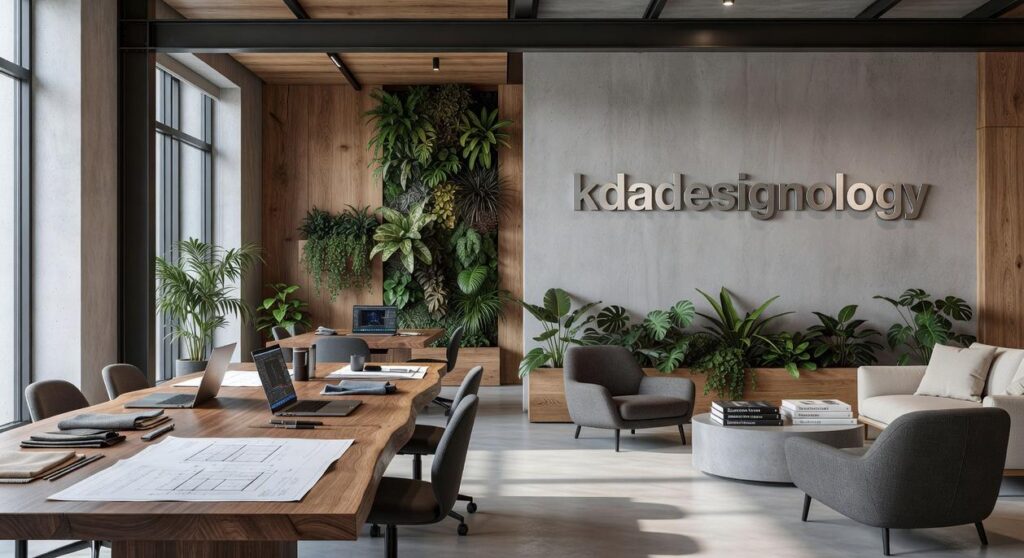
At kdadesignology, we focus on design that fits how people actually live. That means understanding what works in real homes, not just what photographs well.
You’ll learn how to make decisions that keep your space both functional and beautiful. We’ll cover furniture placement, storage solutions that don’t look like storage, and how to pick pieces that earn their place in your room.
This isn’t about trends or copying someone else’s style. It’s about creating a home that works for you.
The Core Principle: Marrying Form and Function
I see it all the time.
Someone falls in love with a gorgeous velvet sofa or a statement light fixture. They buy it without thinking about how it’ll actually work in their space. Six months later, they’re frustrated because the room looks great in photos but feels terrible to live in.
Here’s what I’ve learned. Function has to come first.
Not because beauty doesn’t matter. It does. But because a room that doesn’t work for your life will never feel right, no matter how stunning it looks.
Start by asking yourself how you really use each space. Not how you think you should use it or how it looks in magazines. How you actually live.
If your family dumps bags and shoes by the front door every single day, you need storage there. Fighting that habit with “just a console table” because it looks cleaner? You’ll lose that battle.
Some designers will tell you that focusing on function means sacrificing style. That you have to choose between a beautiful home and a practical one.
I disagree.
The best spaces I’ve worked on at Kdadesignology prove that wrong every time. When you understand function first, you can find beautiful solutions that actually serve your needs.
Take a living room where kids do homework while you’re cooking dinner. You could fight that and try to keep it pristine. Or you could build in smart storage that hides school supplies but keeps them accessible. Add durable fabrics that look good and stand up to real life.
That’s where form and function meet.
Every choice you make should pull double duty. A coffee table that’s also storage. Lighting that sets the mood but also helps you see what you’re doing. Colors that feel good and hide the wear patterns of daily life.
Mastering Functional Design: The Blueprint for a Livable Home
Your home should work for you.
Not the other way around.
I see it all the time. Beautiful rooms that look amazing in photos but feel awkward the moment you try to live in them. You’re constantly moving things around or squeezing past furniture just to get from the kitchen to the living room.
That’s not design. That’s decoration.
Traffic Flow and Layout: The Art of Creating Clear Pathways
Here’s what most people get wrong about arranging furniture.
They start with what looks good. Then they wonder why their space feels cramped or why guests always seem to bump into that coffee table.
I flip it around.
Start with how you actually move through a room. Where do you walk when you come in from the front door? How do you get from the couch to the kitchen during movie night?
These pathways matter more than you think.
The rule I follow is simple. Leave at least 30 inches for main walkways and 18 inches for secondary paths. Sounds technical but it’s just enough space so two people can pass without doing that awkward side shuffle. Incorporating principles of Kdadesignology into your gaming space not only enhances the aesthetic but also ensures that the main walkways are spacious enough to prevent those awkward side shuffles during intense multiplayer sessions.
When you’re figuring out how to interior design a room kdadesignology, traffic flow is where you start. Not color schemes or throw pillows.
Define your zones too. Your living room probably does more than one job. It’s where you watch TV, read, maybe work from home sometimes. Use furniture placement to create invisible boundaries between these areas.
An area rug under your seating arrangement tells your brain “this is the conversation zone.” A bookshelf perpendicular to the wall can separate your workspace from your relaxation spot without blocking light or making the room feel chopped up.
Smart Storage Solutions: Moving Beyond Basic Shelves
Storage is where function either saves you or kills your vibe.
You need places to put things. But you don’t want your home looking like a storage unit.
Go vertical whenever you can. Floor space is precious but most rooms have walls that go all the way to the ceiling (shocking, I know). Tall bookcases, wall-mounted cabinets, floating shelves above doorways. These spots hold a ton without eating up your walking space.
Hidden compartments are your secret weapon.
Benches with lift-up seats in your entryway. Beds with drawers underneath. Coffee tables with shelves tucked inside. You get all the storage without the visual noise of seeing every single thing you own.
The benefit here is real. When your stuff has a home, you spend less time looking for things and your space stays cleaner with way less effort.
The Power of Multi-Functional Furniture
This is where small spaces become livable and big spaces become brilliant.
A storage ottoman does three jobs at once. Extra seating when friends come over, a footrest when you’re watching TV, and a place to stash blankets or board games. That’s three pieces of furniture for the price and footprint of one.
Extendable dining tables are perfect if you host sometimes but don’t need a massive table every Tuesday night. Keep it small for daily life, pull it out when family visits.
Modular sofas adapt as your needs change. Rearrange the pieces for movie night, separate them for a party, add or remove sections if you move to a different space.
The payoff? You maximize every square foot without compromising comfort or style. Your home flexes with your life instead of fighting against it.
Layering in Aesthetics with Purpose
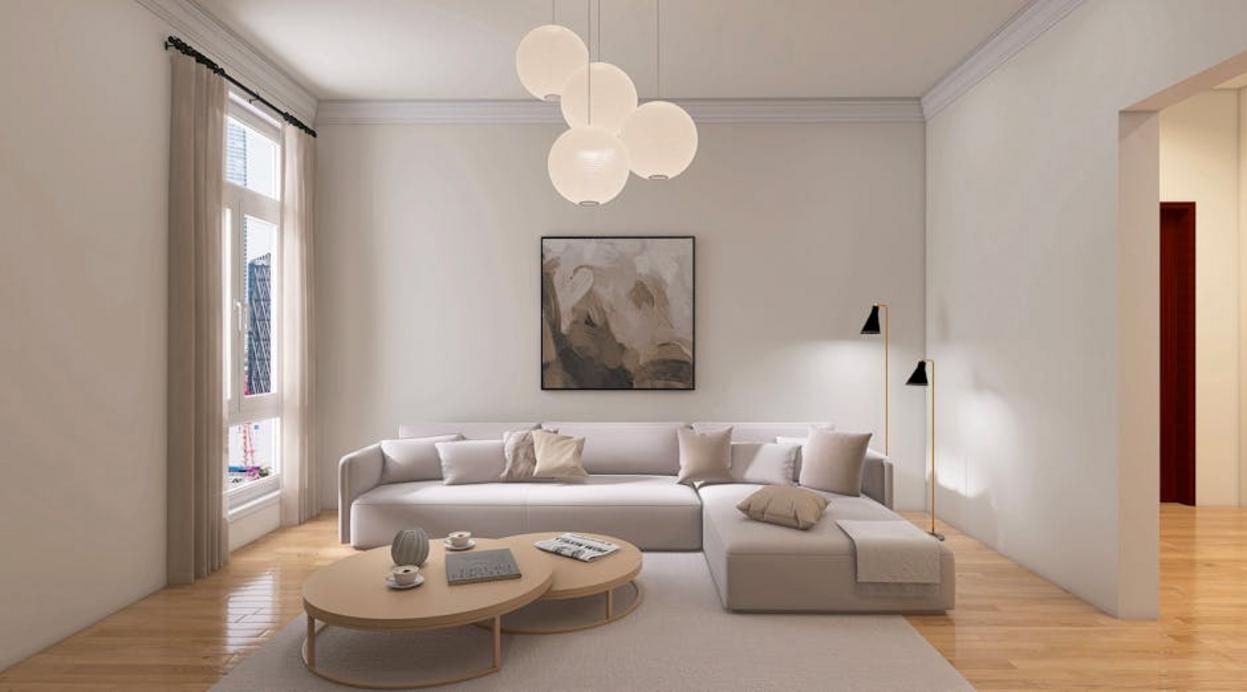
Have you ever walked into a room and just felt right there?
Not because it was expensive or trendy. But because everything seemed to work together without trying too hard.
That’s what layering does when you get it right.
Most people think decorating means picking pretty things and putting them around the house. But here’s what I’ve learned after years of working with spaces. The rooms that feel best are the ones where every layer serves a purpose.
Let me show you what I mean.
Using Color and Light as Functional Tools
Light colors don’t just look nice. They actually change how big a room feels.
I’ve seen 10×10 bedrooms feel twice as large just by switching from dark walls to soft whites or pale grays. The light bounces around instead of getting absorbed.
But does that mean you should paint everything white?
Not at all.
Dark tones have their place too. A deep navy or charcoal in a dining room creates intimacy. It pulls people together. Makes conversations feel more personal (which is exactly what you want when you’re sharing a meal). For those looking to create a cozy and inviting atmosphere in their gaming spaces, incorporating deep navy or charcoal tones can enhance intimacy, as highlighted in the latest Decoration Advice Kdadesignology, making every gaming session feel more personal and connected.
Now let’s talk about lighting because most people get this wrong.
You need three types working together:
| Lighting Layer | Purpose | Example |
|---|---|---|
| —————- | ——— | ——— |
| Ambient | Overall illumination | Ceiling fixtures, recessed lights |
| Task | Focused work areas | Desk lamps, under-cabinet strips |
| Accent | Highlight features | Picture lights, uplighting on plants |
When you only use overhead lights, everything feels flat. Add a table lamp here and a wall sconce there? The whole room comes alive.
Texture and Materiality for Depth
Smooth surfaces everywhere make a space feel cold.
I don’t care how expensive your furniture is. If everything’s the same texture, something feels off.
Think about mixing wood with metal. Velvet pillows on a linen sofa. A jute rug under a glass coffee table.
Each material tells your eye something different. Wood feels warm and organic. Metal adds structure. Velvet brings softness without being fussy.
The trick is keeping it simple. You don’t need ten different textures in one room. Three or four done well beats a dozen done poorly every time.
Strategic and Personal Decoration
Here’s where people usually go overboard.
You walk into a home and every surface is covered. Knickknacks on the mantel. Photos crowding the walls. Plants fighting for space on the windowsill.
I get it. You want your space to feel like yours.
But here’s a better approach. Choose pieces that actually mean something to you and give them room to breathe. I cover this topic extensively in Decoration Kdadesignology.
Group small items in threes on a tray instead of scattering them around. Hang art at eye level with space between frames. Put one great plant in a corner instead of five mediocre ones everywhere.
Sound familiar? That’s the less is more philosophy in action.
When you’re looking for decoration advice kdadesignology principles always come back to this. Every item should either serve a function or bring you genuine joy.
Not both necessarily. But at least one.
Your walls don’t need to be covered. A few pieces you love beat a gallery wall of things that just fill space.
And plants? They’re not just decoration. They clean your air and soften hard edges in a room. Just pick ones that’ll actually survive in your light conditions.
The goal isn’t perfection. It’s creating layers that work together so your space feels complete without feeling crowded.
Practical Application: Room-by-Room Strategies
Let me walk you through the spaces where good design actually matters.
The Living Room is where most of us spend our time. You want zones that work for different activities without feeling chopped up. I set up seating so people can talk without craning their necks (usually a conversation circle or L-shape). Then I think about where the TV goes and make sure it doesn’t dominate everything.
Storage is the part most people skip. You need spots for remotes, throws, and all the stuff that ends up on your coffee table. Built-ins work great but even a console with drawers gets the job done.
The Kitchen needs to function first and look good second. The work triangle concept (sink, stove, fridge) still holds up because it cuts down on wasted steps. But if you have a bigger space, think in zones instead. Prep zone, cooking zone, cleanup zone.
Counter space is never enough. I plan for at least 36 inches on one side of the sink and 18 on the other. Appliance placement matters too. Put your dishwasher near the sink and your microwave where kids can reach it if that’s your situation.
The Bedroom should help you wind down. I start with clothing storage because if your clothes are piled on a chair, nothing else matters. Then I pick colors that don’t wake you up (soft blues, grays, warm neutrals). When creating a serene space that promotes relaxation, it’s essential to understand how to interior design a room Kdadesignology, starting with effective clothing storage and soothing color choices that invite tranquility.How to Interior Design a Room Kdadesignology
Task lighting for reading is something I see people get wrong all the time. Overhead lights don’t cut it. You want adjustable lamps on both sides of the bed at about 20 to 26 inches above your mattress.
These aren’t just design rules from interior kdadesignology theory. They’re what actually makes your home work better day to day.
Your Beautiful and Functional Home Awaits
You shouldn’t have to choose between a home that looks good and one that actually works.
I see this all the time. Someone creates a gorgeous living room that’s impossible to relax in. Or they build a super practical space that feels cold and uninspiring.
It’s frustrating when your home doesn’t support the life you’re trying to live.
Here’s what I’ve learned: function comes first. Always. Then you layer in the aesthetics with clear purpose. That’s how you create a space that’s both beautiful and genuinely supportive.
You came here because you wanted both. Now you know it’s possible.
The principles are simple. Start with how you actually use a room. Let that guide every decision. Then add the style elements that make sense for your life.
kdadesignology is built on this approach. Form follows function, and beauty emerges from intention.
Pick one room right now. Watch how you move through it for a few days. Identify one thing that’s not working. Then apply what you’ve learned here to fix it.
You’ll see the difference immediately. And once you do, you’ll want to transform every room in your home.

 Ask Geldric Kelthorne how they got into gardening and landscaping ideas and you'll probably get a longer answer than you expected. The short version: Geldric started doing it, got genuinely hooked, and at some point realized they had accumulated enough hard-won knowledge that it would be a waste not to share it. So they started writing.
What makes Geldric worth reading is that they skips the obvious stuff. Nobody needs another surface-level take on Gardening and Landscaping Ideas, Creative Inspirations, DIY Home Projects. What readers actually want is the nuance — the part that only becomes clear after you've made a few mistakes and figured out why. That's the territory Geldric operates in. The writing is direct, occasionally blunt, and always built around what's actually true rather than what sounds good in an article. They has little patience for filler, which means they's pieces tend to be denser with real information than the average post on the same subject.
Geldric doesn't write to impress anyone. They writes because they has things to say that they genuinely thinks people should hear. That motivation — basic as it sounds — produces something noticeably different from content written for clicks or word count. Readers pick up on it. The comments on Geldric's work tend to reflect that.
Ask Geldric Kelthorne how they got into gardening and landscaping ideas and you'll probably get a longer answer than you expected. The short version: Geldric started doing it, got genuinely hooked, and at some point realized they had accumulated enough hard-won knowledge that it would be a waste not to share it. So they started writing.
What makes Geldric worth reading is that they skips the obvious stuff. Nobody needs another surface-level take on Gardening and Landscaping Ideas, Creative Inspirations, DIY Home Projects. What readers actually want is the nuance — the part that only becomes clear after you've made a few mistakes and figured out why. That's the territory Geldric operates in. The writing is direct, occasionally blunt, and always built around what's actually true rather than what sounds good in an article. They has little patience for filler, which means they's pieces tend to be denser with real information than the average post on the same subject.
Geldric doesn't write to impress anyone. They writes because they has things to say that they genuinely thinks people should hear. That motivation — basic as it sounds — produces something noticeably different from content written for clicks or word count. Readers pick up on it. The comments on Geldric's work tend to reflect that.