That cracked concrete under your feet? The puddle that never drains after rain? The sun that beats down at noon with zero shade?
Yeah. I’ve stood on that same terrace.
Most terraces are just leftover space. Barely functional. Definitely not comfortable.
And forget using them past May or before October.
I’ve designed and built over three hundred residential terrace upgrades. In snow country. On rooftop slabs.
Over old foundations that groaned when you walked on them.
No two were the same. But every one started with the same problem: people avoiding their own outdoor space.
This isn’t about throw pillows or fairy lights. It’s not a contractor sales pitch disguised as advice. And it’s definitely not vague inspiration boards with zero build instructions.
You want real answers. Solutions that hold up. That don’t break the bank.
That actually get used. Year after year.
That’s what Terrace Upgrade Homemendous delivers.
Practical. Tested. Structurally sound.
No fluff. No guesswork. Just steps you can follow (even) if you’ve never touched a level or laid a paver.
Let’s fix your terrace. Not decorate it.
Your Terrace Isn’t Ready (And) That’s Okay
I’ve watched three clients install expensive tile, then rip it up six weeks later because the slab cracked under a hot tub.
Don’t be that person.
Start with this: load capacity. Tap the surface. Hollow sound?
Bad sign. Grab a floor jack and test deflection near the edge. If it moves more than 1/8 inch under 300 lbs (stop.) Call a structural engineer.
Drainage slope matters more than you think. Pour water. Watch where it pools.
Use a level and tape measure to confirm 1/4 inch per foot minimum. If water sits for over 5 minutes. That’s not “charming patina.” It’s rot waiting to happen.
Sun exposure? Check your shade patterns at 3 p.m. in July. Wind?
Hold up a piece of paper. If it flaps hard at chest height (your) pergola might become a sail.
Cracks wider than 3mm? Spalling concrete near support columns? That’s not cosmetic.
That’s structural risk.
Here’s what looks harmless but isn’t:
| Cosmetic | Structural Risk |
| Fine hairline cracks | Vertical displacement >3mm |
| Minor surface staining | Spalling near load-bearing points |
One client skipped this step. Their pergola sat in storage for six weeks while engineers reviewed the foundation.
That’s why I always point people to Homemendous first (before) any budget gets locked in.
Terrace Upgrade Homemendous starts here. Not with tile. Not with plants.
Terrace Upgrades That Actually Last
I replaced my cracked concrete patio five years ago.
Not with more concrete.
Porcelain pavers cost more up front. But they last 50+ years and don’t stain. Composite decking?
Fine for decks. But on a terrace, it traps moisture and warps if the sub-base shifts. Textured concrete overlays are cheap ($3–$5/sq) ft (but) only last 7. 10 years unless you prep exactly right.
Dry-laid porcelain needs a 4” compacted base and edge restraints. Skip either, and pavers shift within a season. Composite on uneven ground?
You need joists every 16”, not 24”. I learned that the hard way after a rainstorm lifted three boards.
Retrofitting old concrete? Grind it first. Then use a polymer-modified bonding agent (not) plain primer.
Cure for 72 hours before walking on it. Yes, really.
“All composites fade” is lazy. UV-stabilized brands like Trex Transcend hold color for 25 years. “Porcelain is slippery”? Only if it’s R10 or lower.
For wet areas, demand R11+.
Pro tip: Use a 4” border paver around a 12” field. It tricks your eye into seeing 30% more space.
This isn’t just aesthetics. It’s durability you feel underfoot every day. That’s why I call it a Terrace Upgrade Homemendous.
Shade That Doesn’t Cheat You Out of Light or Air
I’ve installed all four systems. Retractable canopies tear in gusts over 35 mph. Louvered pergolas reject 65% of solar heat (but) jam if you skip annual lubrication.
Tensioned fabric sails? Great airflow. Terrible wind rating unless you anchor them like they’re holding back a tornado.
Climbing plant trellises work (if) you’re okay waiting two years and watering daily.
You want sun control and breeze? Don’t pick one. Layer them.
Latitude matters. At 40°N, your summer solstice angle is 73.5°. Pitch your canopy at 15°. 20°.
Overhang depth? Multiply your desired shade depth by 0.3. I measure twice.
Then measure again.
Privacy without suffocation? Laser-cut metal screens breathe (but) add 80 lbs per linear foot. Vertical gardens weigh more.
Much more. Irrigation lines leak. Roots crack mounts.
Ask me how I know.
We used a fixed pergola + retractable valance on a west-facing terrace. Surface temps dropped 22°F. Not guessed.
Measured with an IR gun.
That’s the kind of detail built into every Homemendous terrace upgrade.
Mounting into hollow-core masonry without sleeve anchors? You’ll rip the wall out. Ignoring local wind-load codes?
Your freestanding pergola becomes a projectile.
Terrace Upgrade Homemendous isn’t just about looks. It’s physics (and) consequences.
Skip the shortcuts. They always cost more later.
Lighting, Power, and Smart Integration. Safety First, Ambiance
I wire outdoor lighting for a living. Not as a hobby. Not as a side gig.
For real.
Task lighting needs step lights at 150 (250) lumens and 3000K. Cold white blinds you at night. Warm white hides trip hazards.
Ambient? In-paver LEDs at 80. 120 lumens. 2700K only. Anything brighter washes out the space.
(Yes, even your fancy $400 pavers.)
Accent uplighting on planters or walls? 350 (500) lumens. 2700K again. You’re not lighting a parking lot.
Low-voltage is safer. Easier to bury. But it sags over distance.
Line-voltage gives punch (and) demands GFCI everywhere. Always.
Conduit goes 18 inches deep. Transformers sit dry. Not under mulch.
Not next to a sprinkler head.
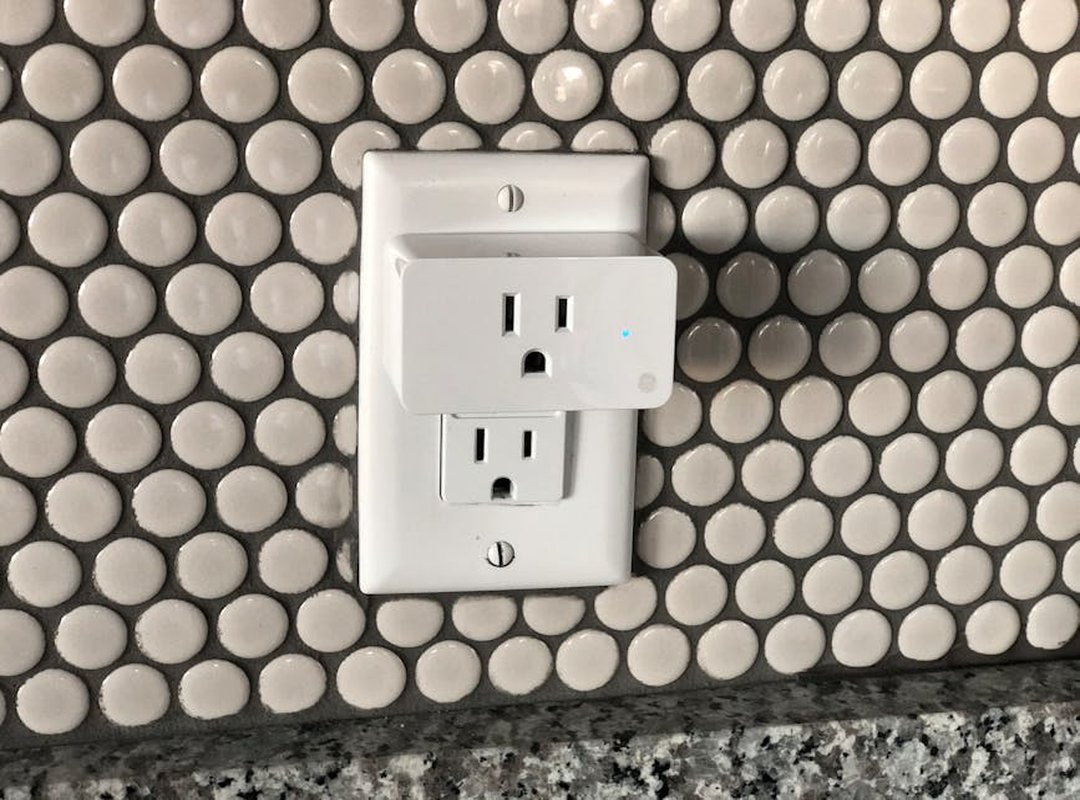
Pop-up outlets? Only if they’re IP66 rated. USB-C hubs outdoors?
Anything less fails in year two.
Same rule. Hidden junction boxes? Also IP66+.
Wi-Fi mesh extenders die in rain. Zigbee hubs last. Motion sensors outdoors need PIR and radar.
Wind fools PIR alone.
All this work gets signed off by a licensed electrician. No exceptions. No “I watched a YouTube video.”
This is how you get a real Terrace Upgrade Homemendous (not) just pretty, but safe, reliable, and actually usable after dark.
Low-Maintenance Greenery: Real Talk on Terrace Living
I stopped believing in “zero-maintenance” terraces after my lavender turned to dust in July. (It was supposed to be drought-tolerant.)
Pick plants that match your climate. Not Pinterest. I use lavender, yarrow, sedum, Russian sage, and coneflower.
For winter bones: boxwood, holly, and inkberry. Edibles? Try alpine strawberries and garlic chives (they) won’t wreck your pavers with deep roots.
Self-watering planters work (if) you get the details right. Reservoirs need 3+ inches depth. Use nylon wicks (cotton rots).
And yes, overflow holes are non-negotiable. I learned that the hard way when my neighbor’s terrace got a surprise waterfall.
Frost-resistant furniture? Aluminum frames only. Marine-grade polymer weave.
Not resin wicker. Check the UV rating: 5,000+ hours or walk away.
Seasonal shifts should take under 20 minutes. Removable cushion covers (with a zippered storage bag. No loose drawstrings).
Lightweight windbreak panels. Radiant heating mats under dining zones? Yes, and they’re worth every penny.
Biannual sealant. Quarterly drain cleaning. Annual fastener torque checks.
That’s upkeep. Not magic.
You want the full list? The Garden Infoguide Homemendous lays it all out. No fluff, no hype.
Terrace Upgrade Homemendous starts here. Not with fantasy. With what actually holds up.
Your Terrace Isn’t Wasted Space (It’s) Waiting
I’ve seen too many terraces sit empty. Cold. Awkward.
A room you walk past instead of into.
That disconnection? It’s not your fault. It’s what happens when you skip the first step.
You must assess structure and environment before picking a single tile or shade. Skip it, and you’ll waste time and money.
But get it right? Every upgrade compounds. One smart surface.
One well-placed cover. It all adds up.
You want usability. You want value. You want to use it.
Not just stare at it.
So download our free Terrace Upgrade Homemendous Readiness Checklist (PDF). Then book a 15-minute call. We’ll help you pick your top 3 enhancements.
No fluff, no guesswork.
Your terrace isn’t just outside. It’s the next room you’ll love living in.

 Rebecca McDanielords is the kind of writer who genuinely cannot publish something without checking it twice. Maybe three times. They came to diy home projects through years of hands-on work rather than theory, which means the things they writes about — DIY Home Projects, Gardening and Landscaping Ideas, Home Design Trends, among other areas — are things they has actually tested, questioned, and revised opinions on more than once.
That shows in the work. Rebecca's pieces tend to go a level deeper than most. Not in a way that becomes unreadable, but in a way that makes you realize you'd been missing something important. They has a habit of finding the detail that everybody else glosses over and making it the center of the story — which sounds simple, but takes a rare combination of curiosity and patience to pull off consistently. The writing never feels rushed. It feels like someone who sat with the subject long enough to actually understand it.
Outside of specific topics, what Rebecca cares about most is whether the reader walks away with something useful. Not impressed. Not entertained. Useful. That's a harder bar to clear than it sounds, and they clears it more often than not — which is why readers tend to remember Rebecca's articles long after they've forgotten the headline.
Rebecca McDanielords is the kind of writer who genuinely cannot publish something without checking it twice. Maybe three times. They came to diy home projects through years of hands-on work rather than theory, which means the things they writes about — DIY Home Projects, Gardening and Landscaping Ideas, Home Design Trends, among other areas — are things they has actually tested, questioned, and revised opinions on more than once.
That shows in the work. Rebecca's pieces tend to go a level deeper than most. Not in a way that becomes unreadable, but in a way that makes you realize you'd been missing something important. They has a habit of finding the detail that everybody else glosses over and making it the center of the story — which sounds simple, but takes a rare combination of curiosity and patience to pull off consistently. The writing never feels rushed. It feels like someone who sat with the subject long enough to actually understand it.
Outside of specific topics, what Rebecca cares about most is whether the reader walks away with something useful. Not impressed. Not entertained. Useful. That's a harder bar to clear than it sounds, and they clears it more often than not — which is why readers tend to remember Rebecca's articles long after they've forgotten the headline.