Why Material Choice Matters
Modern homes are evolving beyond aesthetics and layout. Today, the materials used to build them play a major role in determining how sustainable, healthy, and energy efficient a home truly is.
Long Term Environmental Impact
Carefully selecting sustainable materials doesn’t just help the planet it also creates homes that are more efficient and durable. Here’s how material choice affects long term sustainability:
Energy Use: Materials with natural insulating properties can reduce the need for heating and cooling, lowering utility bills and carbon footprints.
Indoor Air Quality: Using non toxic, low VOC finishes and construction materials reduces indoor pollution, promoting better health.
Waste Reduction: Reclaimed, recycled, or rapidly renewable resources cut down on manufacturing waste and help conserve natural resources.
Rising Demand for Eco Conscious Living
As more homeowners look to align their lifestyles with environmental values, green building practices are no longer considered niche they’re becoming the norm.
Smart Consumer Preferences: Homebuyers are actively seeking out properties with eco certifications and sustainable interiors.
Architectural Influence: Designers and builders are embracing biophilic principles and material transparency to meet client expectations and environmental goals.
Regulations and Incentives: Government programs and city planning initiatives are also nudging the industry forward, making sustainable building more accessible and rewarding.
Material choice isn’t just about what looks good it’s about creating homes that do good, for both people and the planet.
Reclaimed Wood
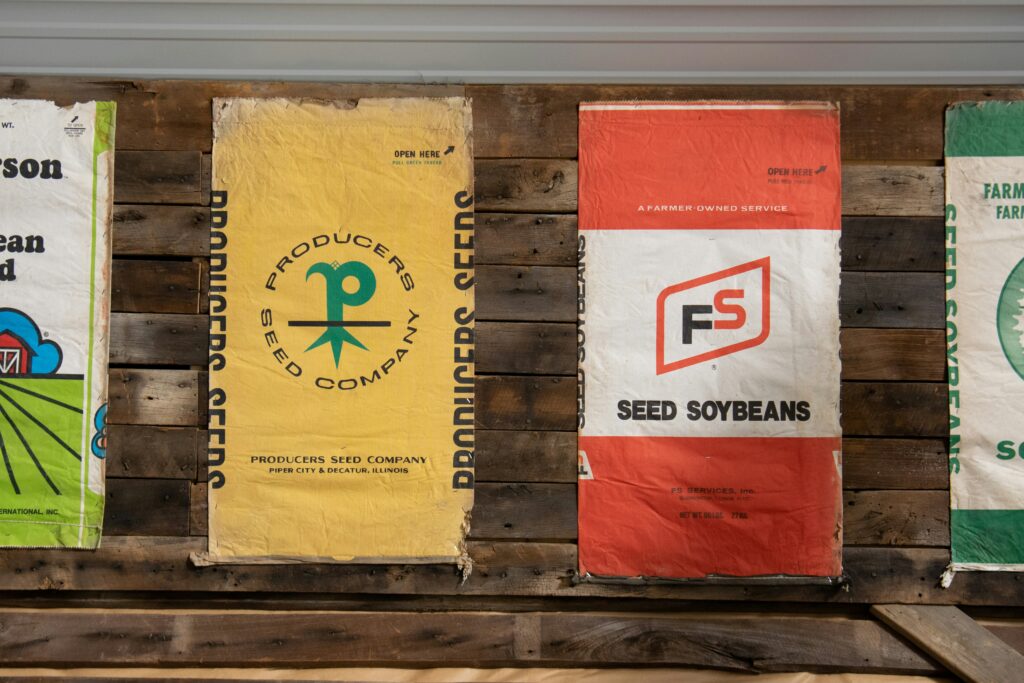
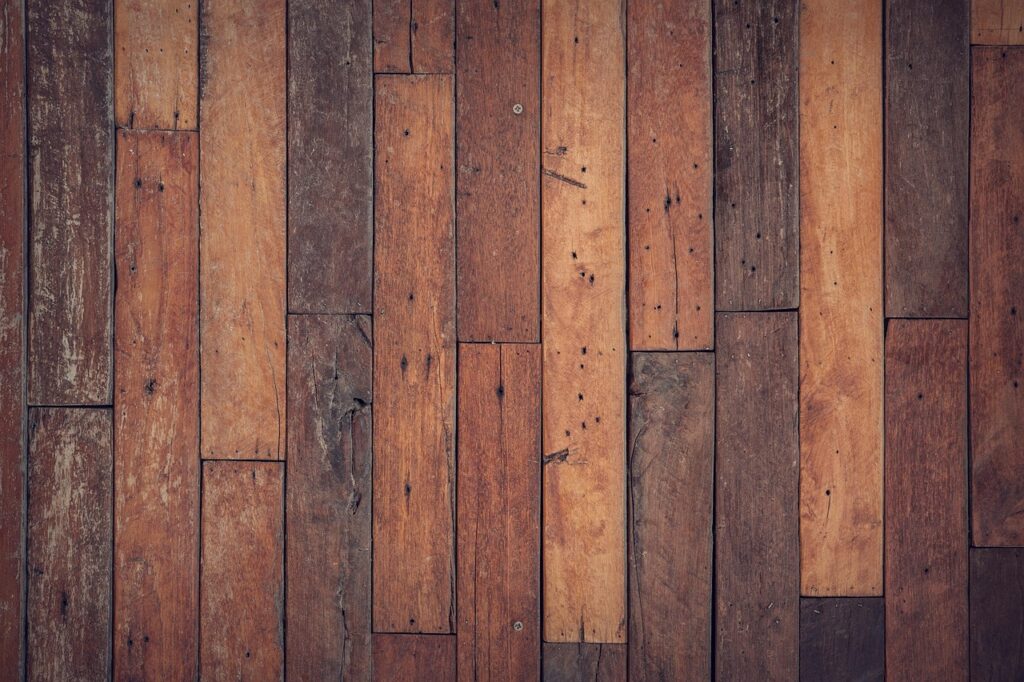
Reclaimed wood is as real as it gets. Pulled from retired barns, torn down factories, or discarded shipping pallets, it brings age, story, and soul to any space. No two planks are alike. That weathered finish? Earned through decades of use, not faked with stain or distressing tools.
Beyond good looks, reclaimed wood carries weight literally and sustainably. Using it keeps perfectly viable lumber out of the landfill and helps slow down deforestation, one board at a time. It’s carbon smart and character rich.
This wood has already stood the test of time hard, dense, stable. It tends to be stronger and more durable than fresh cut lumber. Builders love it for floors, beams, walls, and furniture pieces that tell a story without saying a word.
Bamboo: The Ultra Renewable Option
If there’s one material that keeps punching above its weight in sustainable design, it’s bamboo. This fast growing grass matures in about 3 to 5 years lightning speed compared to traditional hardwoods that can take decades. That rapid renewability makes it one of the most eco efficient building choices on the market.
Beyond its growth rate, bamboo comes with built in advantages: it’s naturally anti microbial and moisture resistant. That means fewer chemicals during processing, and lower maintenance in use making it a solid fit for people who want low toxin, high performance materials.
Functionally, bamboo holds its own. You’ll find it in flooring that can take daily wear, furniture with a clean, modern edge, and wall panels that add warmth without the weight. It’s tough, versatile, and sends a clear message: style doesn’t have to come at the planet’s expense.
Recycled Steel
Recycled steel isn’t just a green building material it’s a workhorse. It takes up to 75% less energy to produce compared to manufacturing new steel, which makes it a standout choice for lowering a home’s construction footprint. In an industry where durability counts, recycled steel delivers. It’s structurally tough, resistant to pests, and won’t combust making it ideal for roofing, framing, and exterior builds that need to last.
Unlike other materials that degrade with reuse, steel maintains its strength and integrity no matter how many times it’s recycled. That means less waste, fewer raw resources pulled from the earth, and a finished product that doesn’t compromise performance. It’s practical, efficient, and built for those who want both strength and sustainability baked into their homes.
Cork

Cork is one of the few building materials literally grown to be harvested without chopping down a single tree. It’s sourced from the bark of cork oak trees, which regenerate after harvest, making it a repeatable, low waste resource. That’s sustainability without the ecological guilt.
But cork’s value isn’t just in how it’s made it’s in how it performs. It naturally insulates against temperature and sound, making it ideal for maintaining a quieter, more energy efficient home. It adds comfort underfoot and can be used on floors, walls, and even underneath other materials as underlayment. Lightweight, durable, and with a warm, organic texture, cork proves that eco friendly design can pull double duty in both function and feel.
Low VOC Paints and Finishes
VOCs volatile organic compounds are the invisible culprits behind that new paint smell. They off gas into your home’s air, contributing to headaches, breathing issues, and long term health concerns. And since indoor air can be two to five times more polluted than outdoor air, it adds up fast.
Fortunately, low and zero VOC paints have caught up with traditional options. They now offer the same wide color ranges, coverage, and lasting durability without the chemical load. You don’t have to sacrifice design flexibility to make a smarter, safer choice.
If you’re looking for a simple upgrade with real health payoffs, this is it. Whether you’re repainting a room or finishing new millwork, swapping to low VOC finishes clears the air literally.
Recycled Glass and Concrete
Two underrated materials are quietly changing the way homes look and perform: recycled glass and concrete. Recycled glass often from discarded bottles, windows, and industrial cast offs is transformed into stunning tiles and countertops that catch the light in a way few materials can. No two pieces are alike, which makes it a go to for homeowners aiming for a custom, artistic finish without the environmental weight of newly manufactured surfaces.
Recycled concrete might not get the same visual accolades, but it’s doing heavy lifting behind the scenes. Traditional cement production is one of the largest contributors to global CO₂ emissions. By repurposing leftover concrete from previous projects or demolitions, we reduce the need for new cement and keep a major climate offender in check. The result: structurally sound construction with a lighter carbon footprint. Together, these materials bring form and function into the green design conversation without sacrificing strength or style.
Tie In: Energy Efficient Living
Using sustainable materials is a strong first step but pairing them with clean energy is what turns a green home into a smart one. Insulated cork walls and bamboo floors won’t do much if your HVAC system runs on fossil fuels. Solar panels, heat pumps, and battery storage systems bring sustainable design full circle. They close the loop between what your home is made of and how it functions day to day.
The good news? You don’t have to go all in overnight. Start with efficient lighting, upgrade to a better water heater, or tap into local solar incentives. These moves lower your carbon footprint and your utility bills.
Want to go deeper? Learn more about powering your home the eco friendly way with green energy for homes.
Moving Toward Greener Homes
Why Smart Material Choices Add Up
Sustainability in modern home design isn’t just a trend it’s a smart investment in the future. The materials you select today directly influence how your home performs, how much energy it consumes, and how healthy it is to live in tomorrow.
The long term benefits of choosing sustainable materials include:
Less construction waste: Reclaimed and recycled materials reduce demand for raw resources
Lower energy bills: Natural insulators like cork and energy efficient materials reduce heating and cooling needs
Healthier indoor air: Low VOC paints and non toxic finishes create safer living conditions
Style and Sustainability Can Coexist
Going green doesn’t mean sacrificing aesthetics. With increasing options in color, texture, and finish, sustainable materials now offer the same if not better visual appeal and versatility as traditional ones.
Designers and homeowners are embracing materials that:
Balance beauty with reduced environmental impact
Fit a wide range of architectural styles
Promote both comfort and conscious living
A Step Toward Carbon Neutral Living
Every intentional design decision moves us closer to homes that not only look good but do good. Incorporating sustainable materials is a reliable path toward achieving carbon neutral goals without compromising quality or comfort.
Remember: Sustainability starts with what you build with choose materials that align with both personal values and long term wellbeing.

 Rebecca McDanielords is the kind of writer who genuinely cannot publish something without checking it twice. Maybe three times. They came to diy home projects through years of hands-on work rather than theory, which means the things they writes about — DIY Home Projects, Gardening and Landscaping Ideas, Home Design Trends, among other areas — are things they has actually tested, questioned, and revised opinions on more than once.
That shows in the work. Rebecca's pieces tend to go a level deeper than most. Not in a way that becomes unreadable, but in a way that makes you realize you'd been missing something important. They has a habit of finding the detail that everybody else glosses over and making it the center of the story — which sounds simple, but takes a rare combination of curiosity and patience to pull off consistently. The writing never feels rushed. It feels like someone who sat with the subject long enough to actually understand it.
Outside of specific topics, what Rebecca cares about most is whether the reader walks away with something useful. Not impressed. Not entertained. Useful. That's a harder bar to clear than it sounds, and they clears it more often than not — which is why readers tend to remember Rebecca's articles long after they've forgotten the headline.
Rebecca McDanielords is the kind of writer who genuinely cannot publish something without checking it twice. Maybe three times. They came to diy home projects through years of hands-on work rather than theory, which means the things they writes about — DIY Home Projects, Gardening and Landscaping Ideas, Home Design Trends, among other areas — are things they has actually tested, questioned, and revised opinions on more than once.
That shows in the work. Rebecca's pieces tend to go a level deeper than most. Not in a way that becomes unreadable, but in a way that makes you realize you'd been missing something important. They has a habit of finding the detail that everybody else glosses over and making it the center of the story — which sounds simple, but takes a rare combination of curiosity and patience to pull off consistently. The writing never feels rushed. It feels like someone who sat with the subject long enough to actually understand it.
Outside of specific topics, what Rebecca cares about most is whether the reader walks away with something useful. Not impressed. Not entertained. Useful. That's a harder bar to clear than it sounds, and they clears it more often than not — which is why readers tend to remember Rebecca's articles long after they've forgotten the headline.