Start with Your Kitchen
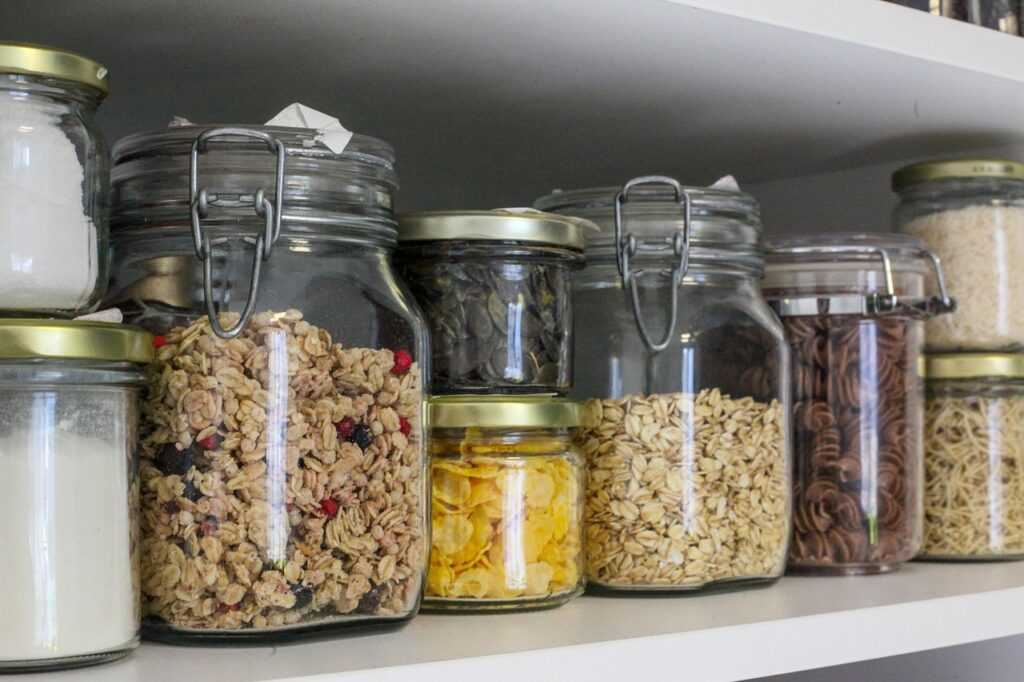
The kitchen is ground zero for everyday waste. Start cutting back by skipping single use plastics. Instead of plastic wrap and disposable containers, store your pantry staples in glass jars or metal tins. Buying in bulk doesn’t just save packaging it reduces the number of trips to the store, too.
Food scraps? Don’t toss them. Composting keeps organic waste out of landfills where it generates methane. Whether it’s a backyard bin or a countertop system, composting is easy to start and makes a big difference.
Ditch plastic wrap for reusable beeswax versions or silicone lids. Keep a few mason jars handy they work for everything from leftovers to dry goods. When shopping, look for products in minimal or recyclable packaging. Even better, buy from brands that let you refill or return your containers altogether.
And here’s a step that matters more than most people think: plan your meals. Sketching out the week ahead helps avoid impulse buys and reduces the odds of food spoiling in your fridge.
Related read: Reduce waste at home
Shop Smarter
Making conscious choices when shopping can significantly reduce the amount of waste that enters your home. By planning ahead and being selective about where and how you shop, you’re supporting a more circular and sustainable economy.
Bring Your Own
Before you even step foot in a store, come prepared:
Reusable bags: Ditch the plastic and keep cloth or durable totes in your car or backpack.
Jars and containers: Ideal for bulk food sections, spices, and liquids.
Mesh produce bags: Perfect for fruits and veggies without resorting to plastic wrap.
Prioritize Local and Seasonal
Choosing food that’s grown closer to home means supporting regional farmers and reducing the environmental cost of transportation.
Local produce tends to have a smaller carbon footprint.
Seasonal foods are typically fresher and require less storage or packaging.
Choose Better Brands
Your dollars have power use them to support companies that are part of the solution.
Seek out brands that offer refillable options or utilize minimal, compostable packaging.
Look for eco labels or certifications that reflect a company’s sustainability efforts.
Shop Where Values Align
Some stores go above and beyond in reducing waste support them.
Retailers that allow packaging returns or offer in store refills send less to landfill.
Look for bulk stores or co ops with packaging free aisles.
Consider Secondhand First
New isn’t always better. Embracing preloved items makes a real difference.
Thrifting helps extend the lifecycle of clothes, furniture, and household goods.
Online marketplaces and swaps let you find what you need with zero packaging.
Small changes like these accumulate over time, making your shopping habits more ethical, efficient, and earth friendly.
Upgrade Your Bathroom Routine
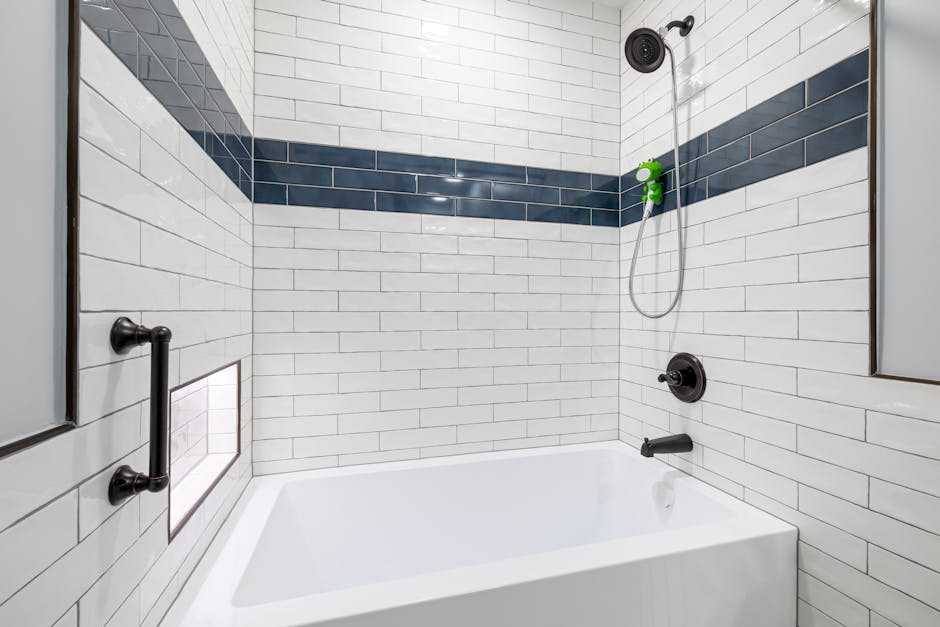
Your bathroom is packed with plastic and one use items you don’t need. Start simple: swap out liquid soap bottles for bar soap, and ditch plastic shampoo bottles in favor of compact shampoo bars. They last longer, take up less space, and come with way less packaging. Bamboo toothbrushes are another easy switch biodegradable and just as effective.
Next up, stop tossing cotton rounds. Reusable ones do the same job, last through hundreds of washes, and cost less in the long run. Same goes for those so called ‘gentle’ exfoliants. Many body scrubs and face washes contain microplastics that go straight from your skin into waterways. Read your labels. Better yet, go natural or DIY.
Buying refills or bulk options from eco conscious stores helps cut trash fast. Think mouthwash tablets in glass jars or lotion bars instead of squeeze bottles. The less waste you bring home, the less ends up in landfills. None of this is about perfection. Just better habits and they stick.
Rethink Your Cleaning Arsenal
Cutting waste doesn’t stop at the kitchen it spills right into your cleaning routine. Store bought cleaners come with plastic bottles, harsh chemicals, and a high cost. The fix? Go back to basics. A combo of vinegar, baking soda, and citrus can tackle most household messes without the waste or mystery ingredients. Start small: one spray bottle, a simple mix, and you’re set.
Replace rolls of paper towels with washable cloths. Old t shirts, worn out dish towels they all work. You’ll save money and stop cycling through roll after roll of paper destined for the trash.
When it comes to bigger jobs, skip the plastic heavy liquid cleaners. Concentrated cleaning tablets dissolve in water and come with far less packaging. They clean just as well and take up almost no space.
Finally, ditch those one use mop pads. A reusable mop head might cost more upfront, but it quickly pays for itself and you’re not sending layers of plastic to the landfill with every wash.
Pro Tip: Want more ideas like this? Explore even more ways to reduce waste at home.
Mindful Habits That Add Up
If you want to create less waste, start by making smaller, smarter choices every day. Carry a reusable water bottle and coffee cup nothing flashy, just something durable that saves cups from the trash. It’s simple, and it sticks.
Skip the swag bag. Say no to freebies you don’t need. Sticker packs, promo pens, single use samples they add up and usually end up collecting dust or heading straight to the bin.
Got a hole in your socks or a glitchy toaster? Repair before you toss. It’s not about being frugal, it’s about resisting the habit of replacing things too quickly. The same goes for furniture patch it, repaint it, make it last.
And use your network. Share tools instead of buying. Swap clothes with friends. Borrow instead of owning everything. You don’t need to go off grid to go zero waste you just need to be more intentional.
These choices look small, but over time, they stack. Zero waste is a direction, not a destination. One better habit at a time.

 Ask Melodiette Brooks how they got into creative inspirations and you'll probably get a longer answer than you expected. The short version: Melodiette started doing it, got genuinely hooked, and at some point realized they had accumulated enough hard-won knowledge that it would be a waste not to share it. So they started writing.
What makes Melodiette worth reading is that they skips the obvious stuff. Nobody needs another surface-level take on Creative Inspirations, DIY Home Projects, Interior Decorating Tips. What readers actually want is the nuance — the part that only becomes clear after you've made a few mistakes and figured out why. That's the territory Melodiette operates in. The writing is direct, occasionally blunt, and always built around what's actually true rather than what sounds good in an article. They has little patience for filler, which means they's pieces tend to be denser with real information than the average post on the same subject.
Melodiette doesn't write to impress anyone. They writes because they has things to say that they genuinely thinks people should hear. That motivation — basic as it sounds — produces something noticeably different from content written for clicks or word count. Readers pick up on it. The comments on Melodiette's work tend to reflect that.
Ask Melodiette Brooks how they got into creative inspirations and you'll probably get a longer answer than you expected. The short version: Melodiette started doing it, got genuinely hooked, and at some point realized they had accumulated enough hard-won knowledge that it would be a waste not to share it. So they started writing.
What makes Melodiette worth reading is that they skips the obvious stuff. Nobody needs another surface-level take on Creative Inspirations, DIY Home Projects, Interior Decorating Tips. What readers actually want is the nuance — the part that only becomes clear after you've made a few mistakes and figured out why. That's the territory Melodiette operates in. The writing is direct, occasionally blunt, and always built around what's actually true rather than what sounds good in an article. They has little patience for filler, which means they's pieces tend to be denser with real information than the average post on the same subject.
Melodiette doesn't write to impress anyone. They writes because they has things to say that they genuinely thinks people should hear. That motivation — basic as it sounds — produces something noticeably different from content written for clicks or word count. Readers pick up on it. The comments on Melodiette's work tend to reflect that.